Patient Profile Name: Poppy Breed: Italian Mastiff (Cane Corso)
Age of onset: 5 Months
Sex/Neuter Status: Female, entire
Condition: Cherry Eye
What Brought Poppy to Us
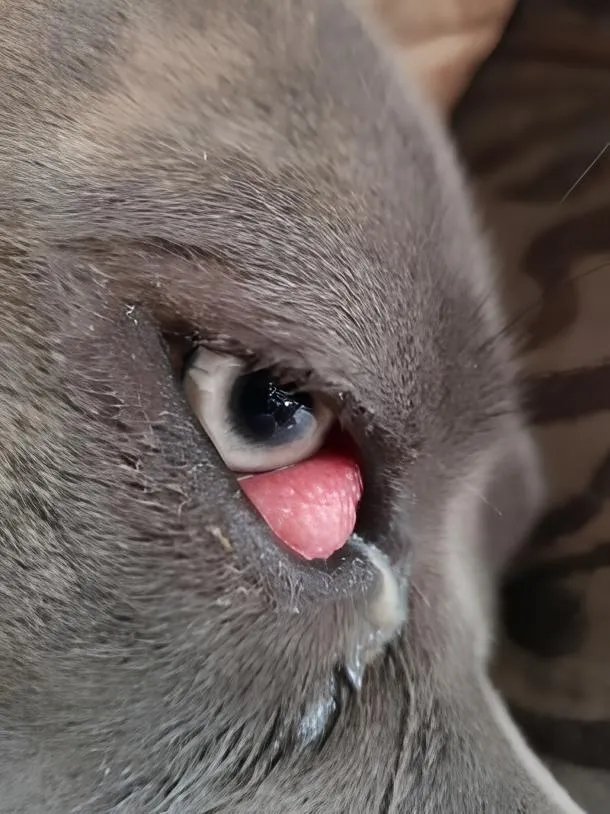
When Poppy’s family noticed a pink swelling in the inner corner of her right eye, they did the right thing and got in touch quickly. At Knutsford Veterinary Surgery, our ophthalmology team confirmed a ‘cherry eye’—the medical term is a prolapsed nictitans (third eyelid) gland. With a calm plan, careful surgery and kind aftercare, we restored comfort and protected her long‑term tear production.
Initial Findings & Diagnosis
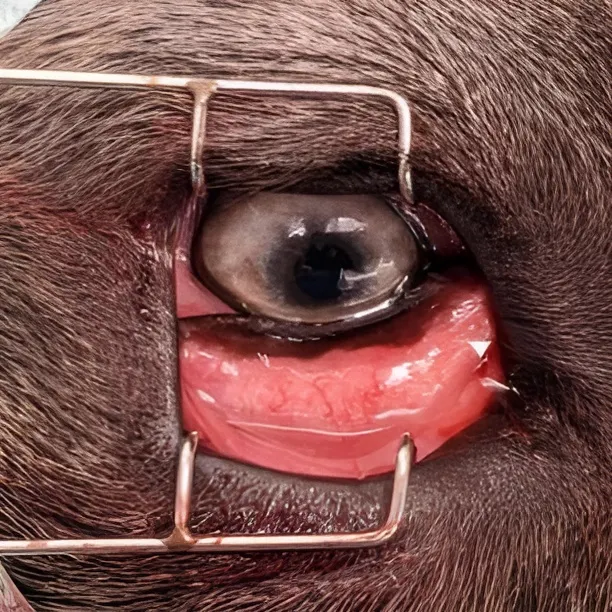
Poppy was bright and well in herself. A focused eye examination confirmed a prolapsed third eyelid gland (‘cherry eye’) on the right side. Her tear production, corneas and eye pressures were all within normal limits, and the left eye was comfortable and seeing normally.
The diagnosis was prolapsed nictitans gland (PNG) in the right eye. This gland contributes a large portion of the normal tear film; therefore, replacing rather than removing it is the modern standard of care to protect long‑term eye health.
Our Case Studies
Our Case Studies
Contact Us Now
Our knowledgable team are always happy to answer your queries, no matter how great or small!
Under general anaesthesia—and with local anaesthetic for extra comfort—we performed a modified Morgan pocket repair. This technique creates a small pocket within the third eyelid to gently tuck the gland back into its normal position while keeping it working. Surgery was performed using fine magnification and delicate sutures. Poppy went home the same day with an Elizabethan collar, a short course of antibiotic eye drops, and anti‑inflammatory pain relief.
Recovery and Follow‑Up
Three days after surgery Poppy had mild, expected redness and swelling of the third eyelid, which resolved within two weeks. At her recheck the incision had healed neatly and the collar was removed. Nine months later, there had been no recurrence, her third eyelid moved normally and both eyes were comfortable.
Key Takeaways for Pet Owners
‘Cherry eye’ is common in young dogs and certain breeds. Prompt assessment keeps pets comfortable and protects long‑term tear production.
Replacing the gland (not removing it) is recommended to maintain normal tears and reduce the risk of dry eye later in life.
The modified Morgan pocket technique is a gentle, effective repair with excellent cosmetic and functional outcomes for most dogs.
Simple home care—an Elizabethan collar, eye drops and rest—usually leads to a smooth recovery.
Worried About a Pink Swelling in the Corner of the Eye?
If you notice a new pink lump, redness, squinting or discharge, please contact Knutsford Veterinary Surgery promptly. Early treatment relieves discomfort and protects healthy vision and tear production.
You can explore more about our pet eye experience by visiting our Ophthalmology hub via the link below: