Importance of Proper Nutrition
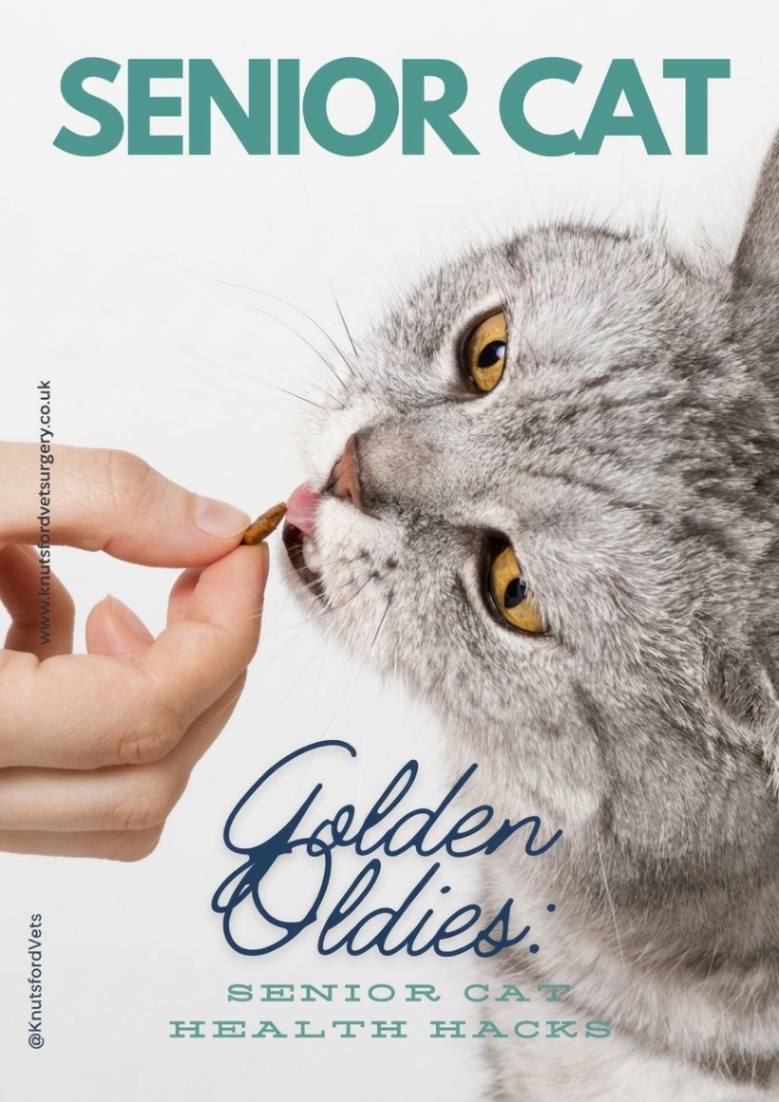
As your cat ages, their nutritional needs change.
Proper nutrition is vital for maintaining their health, managing chronic conditions, and enhancing their quality of life.
Those over the age of 8 require a diet that addresses their specific needs, including maintaining muscle mass, supporting joint health, and ensuring optimal organ function.
Key Nutritional Needs
Senior cats need a balanced diet rich in high-quality proteins, moderate fats, and controlled carbohydrates. Key nutrients to focus on include:
Protein: High-quality, easily digestible protein helps maintain muscle mass and supports overall health.
Fatty Acids: Omega-3 and Omega-6 fatty acids support joint health and reduce inflammation.
Fibre: Adequate fibre aids in digestion and helps manage weight.
Antioxidants: Vitamins E and C support immune function and reduce oxidative stress.
“Senior cats often require adjustments in their diet to manage age-related changes. High-quality proteins and controlled calorie intake are crucial to maintaining their health.” – Churchill & Eirmann, 2021.
Adjusting Diet for Health Conditions
Your cat is more prone to conditions such as kidney disease, arthritis, and diabetes. Tailoring their diet can help manage these issues:
Kidney Disease: A diet low in phosphorus and sodium, with moderate protein levels, can slow disease progression.
Arthritis: Diets enriched with Omega-3 fatty acids and glucosamine can support joint health and reduce inflammation.
Diabetes: Low-carbohydrate, high-protein diets help manage blood sugar levels.
“Many diseases in senior pets are ‘diet-sensitive’, meaning diet can play a significant role in managing the effects of these diseases.” – Laflamme, 2012.
Monitoring and Adjusting Diet
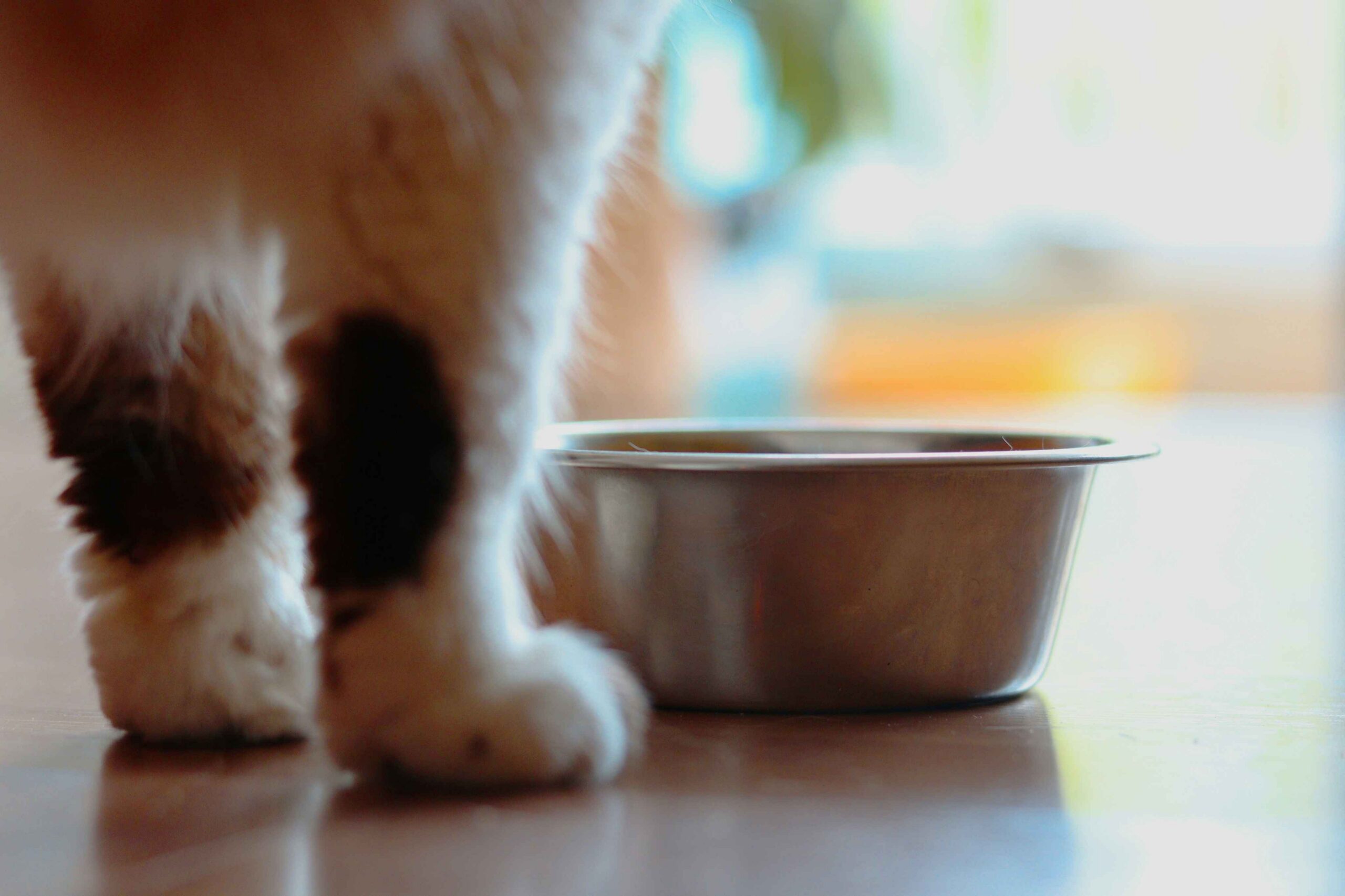
Regularly monitor your cats weight, body condition, and overall health. Adjust their diet as needed based on these observations and our recommendations. Be mindful of:
Weight Management: Avoid overfeeding to prevent obesity, a common issue.
Hydration: Ensure your cat has access to fresh water at all times. Wet food can also help increase their water intake.
Palatability: Older cats may have reduced appetite or undiagnosed dental issues, so offering palatable and easy-to-eat food is essential.
Choosing the Right Food
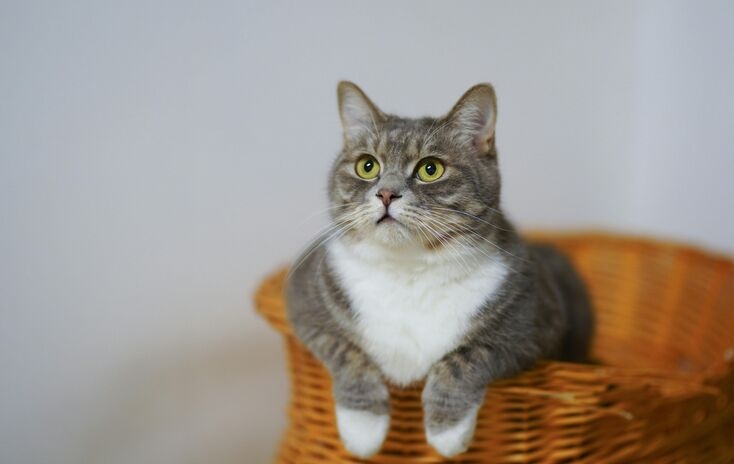
When selecting food for your cat, consider these tips:
Consult Knutsford Vets: We can recommend specific brands or formulations based on your cats health needs.
Look for Quality Ingredients: Choose foods with high-quality proteins and avoid fillers such as corn and soy.
Consider Special Diets: Prescription diets may be necessary for managing certain health conditions.
Summary
Proper nutrition is crucial for maintaining your cats health and well-being. Focus on providing a balanced diet tailored to their specific needs, monitor their health regularly, and make adjustments as necessary.
Resources
For more information on senior cat nutrition, visit these resources:
// more senior cat help //
Next in Senior Cat Help
Follow our guides step by step to give your senior cat the best possible care.
Managing Weight
In Senior Cats
Cognitive Health
in Senior Cats