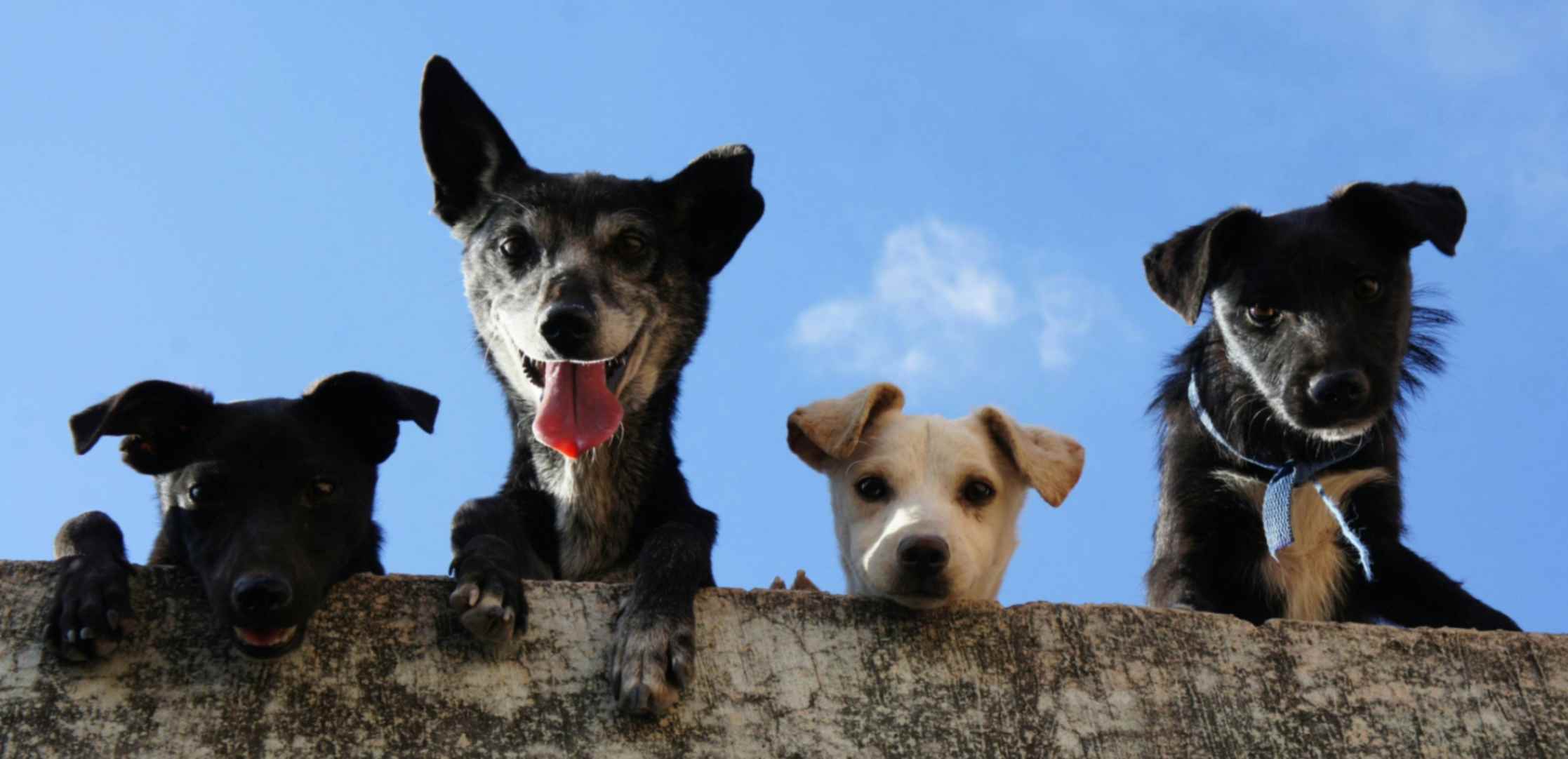
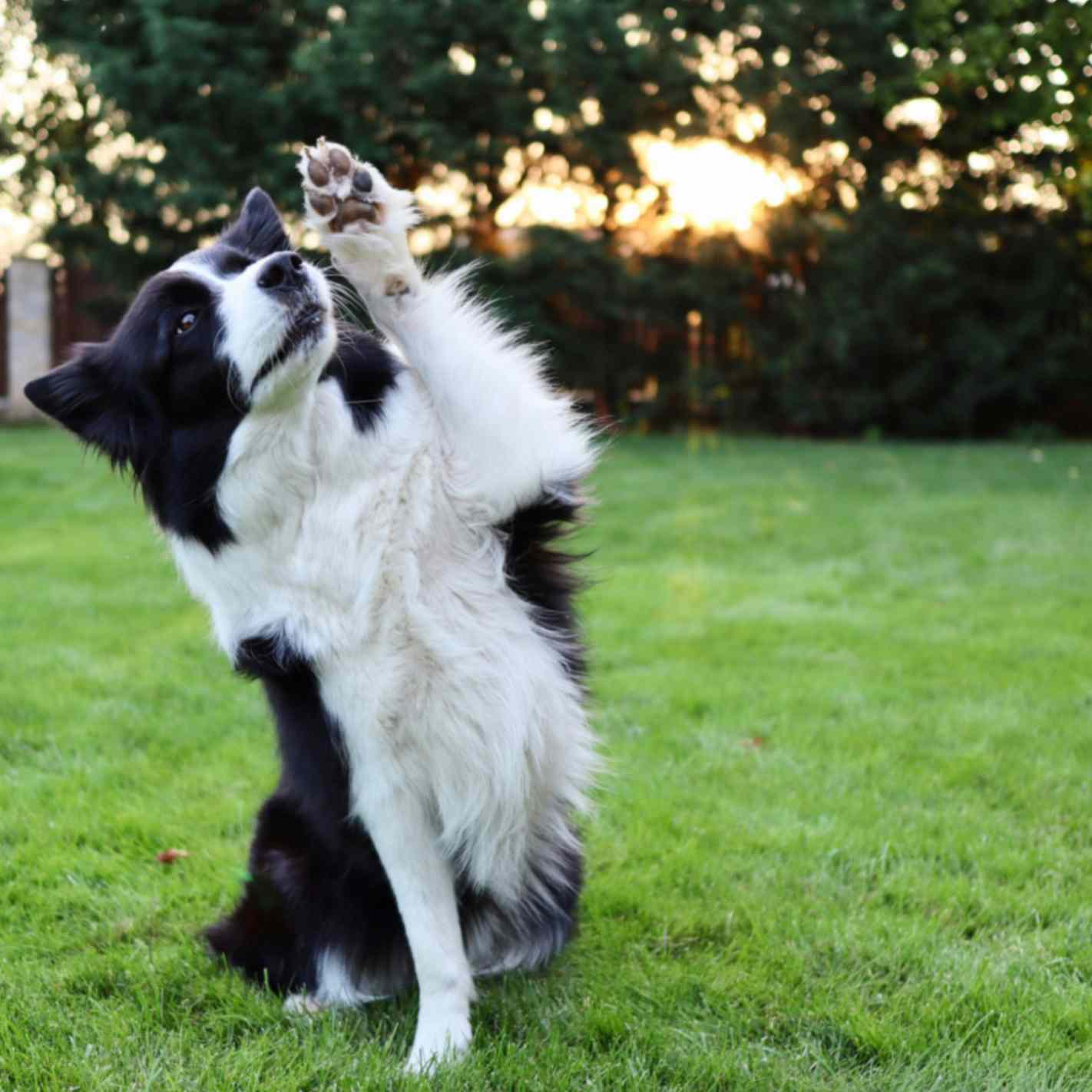
5 — Border Collie
Smart, energetic and always ready for action — the Border Collie suits the active Knutsford lifestyle perfectly. With miles of countryside on the doorstep, including the paths around Tatton, Over Peover and Mobberley, these dogs get to do what they do best: run, explore and work alongside their owners. They thrive on mental stimulation as much as physical exercise..
What We See in Practice
The most important thing to know about Border Collies is the MDR1 gene mutation. This affects a protein responsible for transporting drugs out of cells, meaning affected dogs can have severe adverse reactions to certain common medications — including some worming products and sedatives. If you have a Border Collie, a simple DNA test can tell you whether your dog carries this mutation, and it’s information your vet needs to have on file.
Border Collies also have a well-established predisposition to epilepsy. UK VetCompass™ data shows they are among the top five breeds for seizure prevalence, with roughly 1.5% affected. Research from the International Veterinary Epilepsy Task Force confirms the high prevalence of idiopathic epilepsy in this breed, with onset typically occurring in young to middle-aged dogs.
Collie Eye Anomaly (CEA) is a hereditary eye condition that can range from mild (with no impact on vision) to severe. Hip dysplasia also occurs in the breed, though generally at lower rates than in the larger retriever breeds.
Our top tip: Ask us about MDR1 DNA testing — it’s a quick, affordable test that could be genuinely life-saving. We recommend it for all Border Collies.
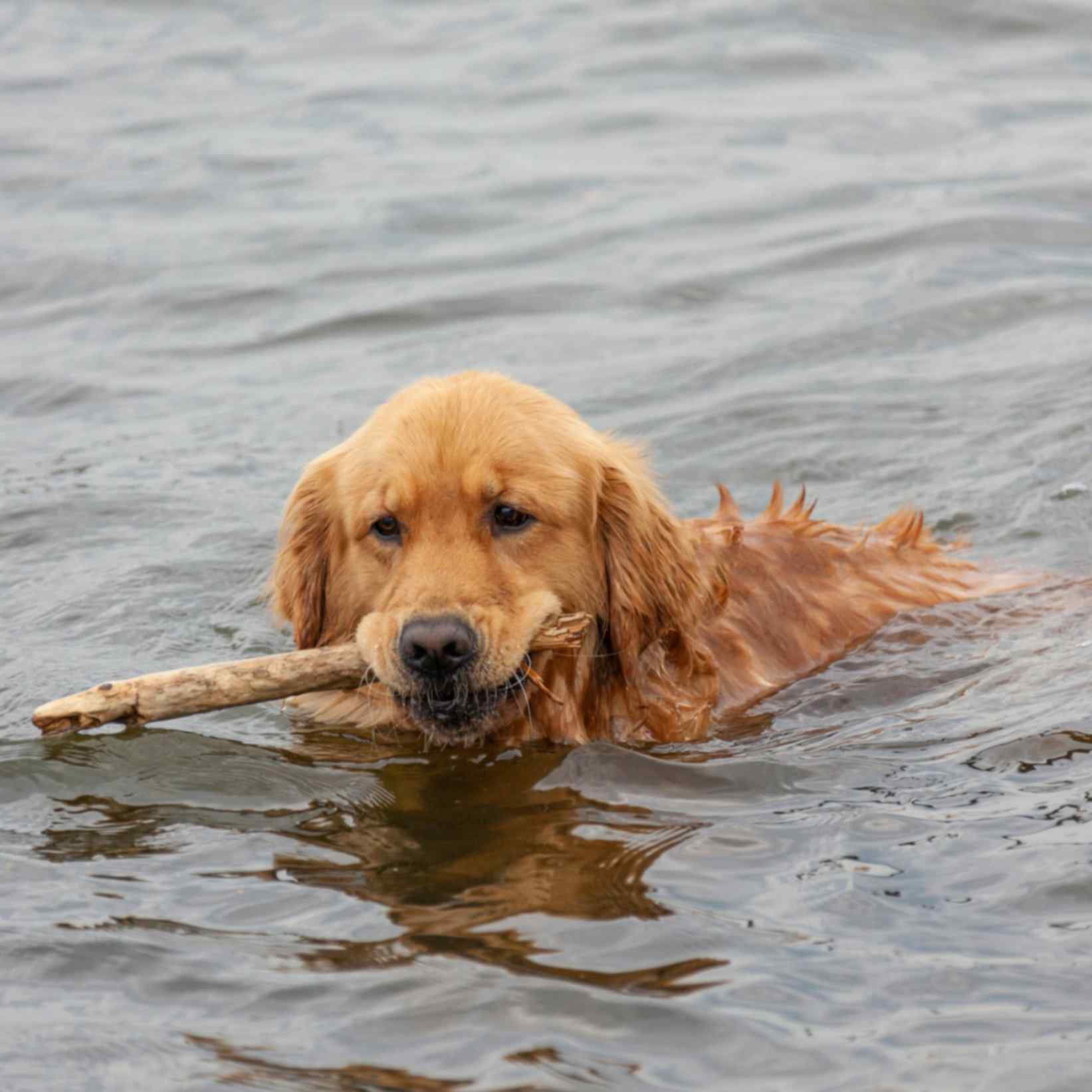
4 — Golden Retriever
Gentle, patient and endlessly cheerful — the Golden Retriever is a wonderful fit for Knutsford family life. Whether they’re bounding through Tatton Park or lounging by the fire after a long walk, they bring warmth to any household. Their friendly nature means they get along brilliantly with other dogs in the local community, too.
What We See in Practice
Golden Retrievers have a well-documented predisposition to cancer, and this is the most important thing owners should be aware of. Research suggests that around 60–65% of Golden Retrievers will develop cancer in their lifetime, with the most common types being haemangiosarcoma (a blood vessel cancer), lymphoma, osteosarcoma and mast cell tumours. The Morris Animal Foundation’s Golden Retriever Lifetime Study — following over 3,000 dogs — has found that approximately three-quarters of documented deaths were cancer-related (although this was a US study).
Beyond cancer, we commonly see hip dysplasia, skin conditions (especially hot spots and allergies) and ear infections. Like Labradors, Goldens love their food and can be prone to weight gain, which places additional stress on joints that may already be predisposed to problems.
Our top tip: Regular health checks become especially important as your Golden Retriever enters middle age. Any new lumps or bumps should always be checked promptly — early detection genuinely saves lives with this breed. Don’t hesitate to book in with your vets in Knutsford if you notice anything new.
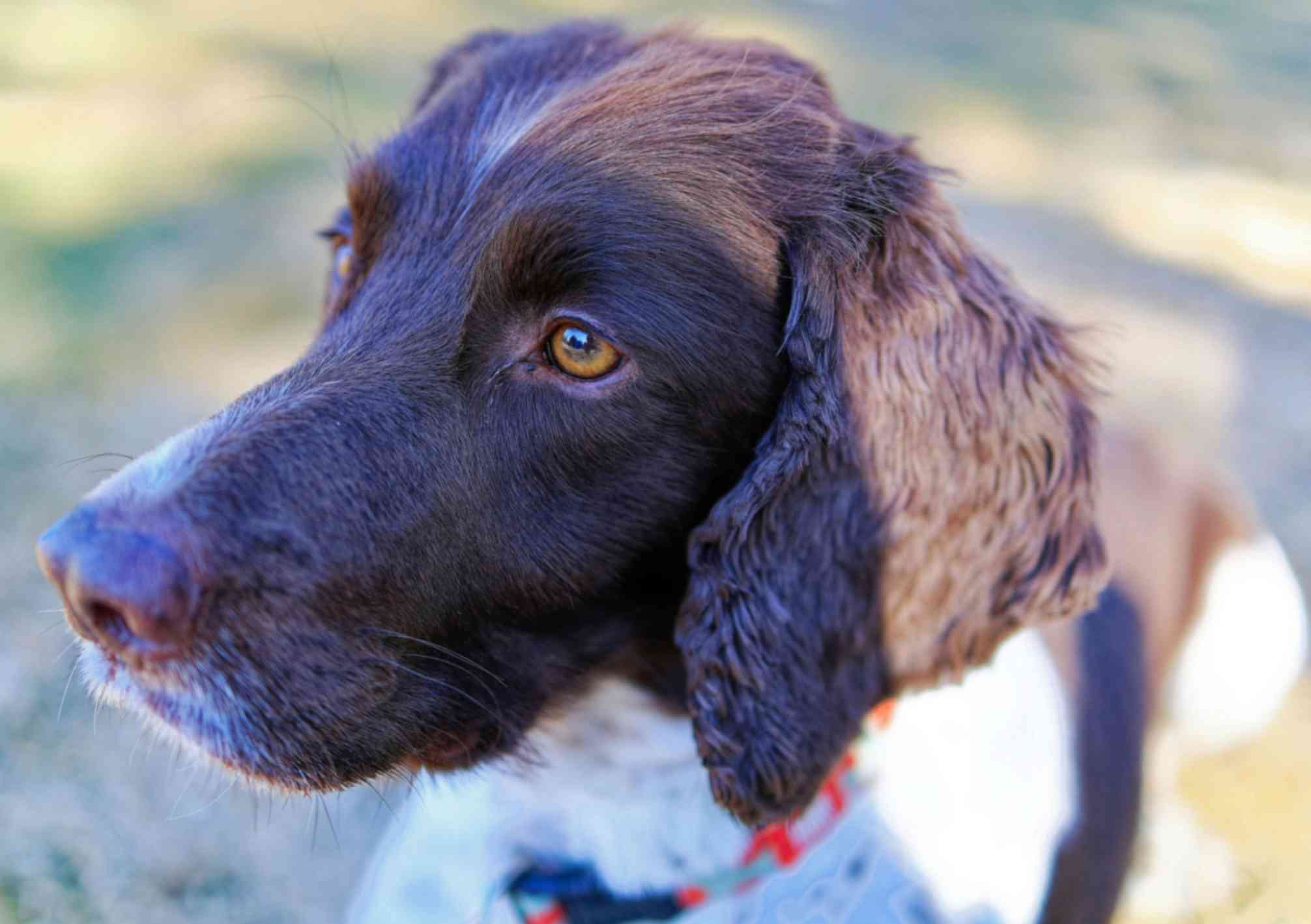
3 — Cocker Spaniel
With their silky ears, soulful eyes and boundless energy, Cocker Spaniels are perfectly suited to life in and around Knutsford. Working Cockers thrive on countryside walks through Tatton and the fields around Mobberley, while Show Cockers bring a touch of elegance to the local dog park. Either way, they’re smart, eager to please and absolutely adore their owners.
What We See in Practice
Cocker Spaniels are one of the most extensively studied breeds in UK veterinary research. A major VetCompass™ study of over 10,000 English Cocker Spaniels found that the top conditions were dental disease (affecting around one in five), ear infections (one in ten) and being overweight (one in ten). Anal gland problems were also very common, affecting roughly one in twelve dogs.
We also see a range of eye conditions in Cockers, including cataracts, glaucoma and dry eye. In fact, eye disorders ranked in the top five disorder categories for the breed at a national level. Hypothyroidism is another condition to be aware of, and in some lines, a hereditary kidney disease called Familial Nephropathy can occur.
The same research identified that the average lifespan for English Cocker Spaniels is around 11.4 years, with females typically living about a year longer than males.
Our top tip: Don’t overlook dental health. With one in five Cockers affected by periodontal disease, regular dental checks and daily tooth brushing can make a real difference. We’re always happy to demonstrate brushing technique at your next appointment.
2 — Cockapoo
The Cockapoo — a Cocker Spaniel and Poodle cross — has taken Knutsford by storm over the past decade, and it’s easy to see why. They’re affectionate, lower-shedding (great if allergies are a concern) and their playful personalities make them the perfect companion for family life in Cheshire. You’ll spot them everywhere from King Street to the footpaths beyond Over Peover.

What We See in Practice
Being a crossbreed doesn’t mean a clean bill of health — Cockapoos can inherit conditions from both parent breeds. The conditions we see most often are ear infections, eye disease, skin sensitivities and kneecap problems.
Ear infections are especially common because Cockapoos inherit those gorgeous, floppy, hairy ears from the Cocker Spaniel side — creating a warm, damp environment that bacteria and yeast love. From the Poodle side, they can inherit Progressive Retinal Atrophy (PRA), a hereditary eye condition that leads to gradual sight loss. DNA testing is available for PRA and is something we’d recommend discussing with your breeder or with us.
Smaller Cockapoos can also develop luxating patellas (loose kneecaps), which we see relatively regularly in our Knutsford clinic.
Our top tip: Get into the habit of cleaning your Cockapoo’s ears regularly — ideally once a week — and dry them thoroughly after swimming or bath time. Prevention really is better than cure with spaniel-type ears.
1 — Labrador Retriever
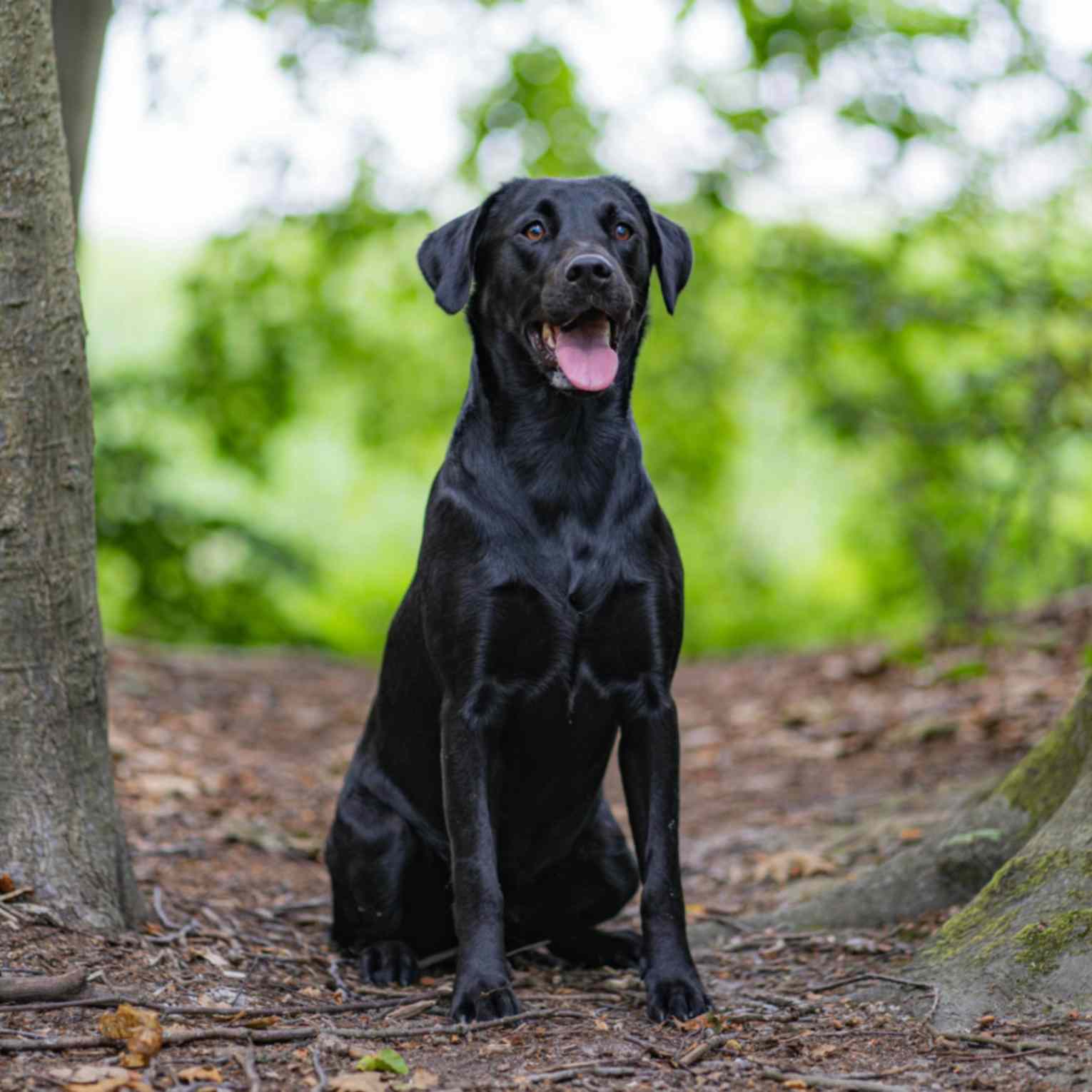
No surprise here — the nation’s favourite tops our list too. Labs are loyal, friendly and absolutely in their element on a long walk around Tatton Park or a splash through the streams near Mobberley. They suit families brilliantly and have a temperament that makes them wonderful with children.
What We See in Practice
A large-scale UK study by the Royal Veterinary College (VetCompass™) found that the most common conditions in Labradors are ear infections, being overweight and joint disease. In their study of over 33,000 UK Labs, roughly one in ten had an ear infection and a similar proportion were overweight. Joint problems — particularly osteoarthritis — affected around one in twenty.
Interestingly, coat colour matters too. The same research found that chocolate Labradors had nearly double the rate of ear infections compared to black Labs. We certainly see this reflected in our own Knutsford patients.
Our top tip: Keep a close eye on your Lab’s weight — they really do love their food. A healthy body condition makes an enormous difference to joint health as they get older. Regular check-ups with your vets in Knutsford can help catch problems early.