
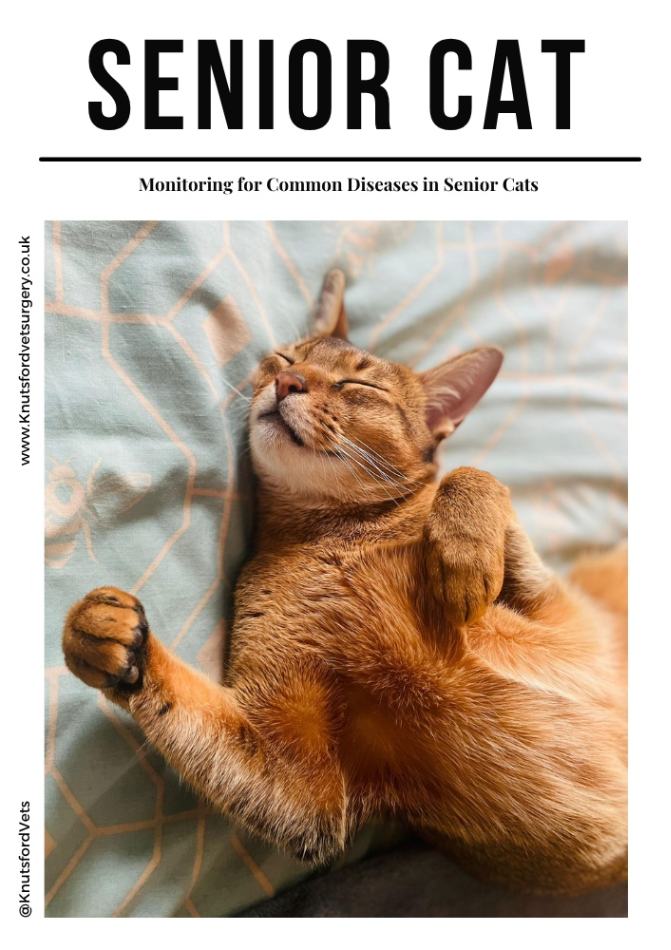
Common Diseases in Older Cats
Senior cats are prone to several common diseases, including kidney disease, hyperthyroidism, diabetes, and arthritis.
Understanding these conditions and recognising their symptoms can help you take prompt action.
In this post we outline a range of common conditions senior cats may encounter as the years pass, our aim is to help you be aware and vigilant for any changes so you can react and communicate with the Vets team as the earliest opportunity.
Chronic Kidney Disease (CKD)
Understanding CKD
Chronic Kidney Disease is one of the most common conditions to affect senior cats. It occurs when the kidneys lose their ability to function properly, leading to the accumulation of waste products in the blood.
Symptoms of CKD
Increased Thirst and Urination: Frequent urination and increased water intake.
Weight Loss: Unintentional weight loss despite normal eating habits.
Decreased Appetite: Reduced interest in food.
Vomiting: Frequent vomiting or nausea.
Lethargy: Increased tiredness and lack of energy.
““Chronic Kidney Disease is a prevalent condition in senior cats, often detected through routine blood and urine tests.” – Pittari et al., 2009
Management of CKD
Management of CKD involves dietary changes, medications, and regular monitoring:
Dietary Changes: Low-phosphorus and low-protein diets to reduce kidney workload.
Medications: Prescribed medications to manage symptoms and slow disease progression.
Regular Visits with Us: Routine blood tests and urine analysis to monitor kidney function.
Hyperthyroidism
Understanding Hyperthyroidism
Hyperthyroidism is caused by an overproduction of thyroid hormones, leading to an increased metabolic rate.
Symptoms of Hyperthyroidism
Weight Loss: Significant weight loss despite increased appetite.
Increased Appetite: Eating more than usual.
Increased Thirst and Urination: Similar to CKD.
Hyperactivity: Restlessness and increased activity levels.
Vomiting and Diarrhoea: Frequent gastrointestinal issues.
Management of Hyperthyroidism
Treatment options for hyperthyroidism include medication, radioactive iodine therapy, surgery, and dietary management:
Medication: Antithyroid drugs to control hormone levels.
Radioactive Iodine Therapy: A one-time treatment that can cure hyperthyroidism.
Thyroidectomy: Surgical removal of the affected gland(s).
Dietary Management: Low-iodine diet to reduce thyroid hormone production.
Diabetes Mellitus
Understanding Diabetes
Diabetes in cats is often similar to Type 2 diabetes in humans, characterised by insulin resistance and high blood sugar levels.
Symptoms of Diabetes
Increased Thirst and Urination: Drinking and urinating more frequently.
Weight Loss: Unexplained weight loss.
Increased Appetite: Despite losing weight, they may eat more.
Lethargy: General tiredness and lack of energy.
Sweet-Smelling Breath: A distinctive odour on your cat’s breath.
“Early detection and management of diabetes can significantly improve the quality of life for senior cats.” – Churchill & Eirmann, 2021.
Management of Diabetes
Managing diabetes involves a combination of diet, medication, and regular monitoring:
Insulin Therapy: Administering insulin injections as prescribed by a member of our team. Alternative oral medications are now available.
Dietary Changes: High-protein, low-carbohydrate diets to help regulate blood sugar levels.
Blood Glucose Monitoring: Regularly checking blood sugar levels to adjust treatment as needed.
Arthritis
Understanding Arthritis
Arthritis is the inflammation of joints, causing pain and reduced mobility. It is a common issue in senior cats.
Symptoms of Arthritis
Decreased Activity: Reluctance to jump, play, or climb stairs.
Stiffness and Lameness: Visible stiffness, especially after rest.
Difficulty Grooming: Struggling to groom themselves properly.
Behavioural Changes: Increased irritability or changes in litter box habits due to pain.
Management of Arthritis
Managing arthritis involves pain relief, dietary supplements, and environmental modifications:
Medications: Pain relief medications and anti-inflammatory drugs.
Supplements: Green-lipped mussel extract or Omega-3 to support joint health.
Environmental Adjustments: Providing soft bedding, ramps, and accessible litter boxes.
What should you be doing
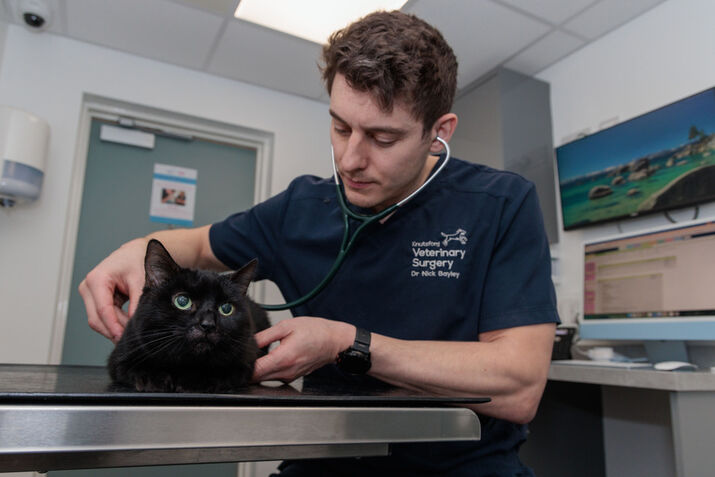
Regular Veterinary Check-ups
Importance of Routine Check-ups
Regular check-ups with us are essential for early detection and management of these common diseases. Bi-annual visits allow for comprehensive health assessments, including blood tests, urine analysis, and physical examinations.
Home Monitoring
Observing
Pay close attention to your cat’s behaviour and physical condition at home. Keep a journal of any changes, such as increased thirst, changes in appetite, or mobility issues.
Home Monitoring
Weight Management
Maintaining a healthy weight is crucial for preventing and managing many of these diseases.
Ensure your cat is on an appropriate diet and gets regular exercise.
Home Monitoring
Hydration
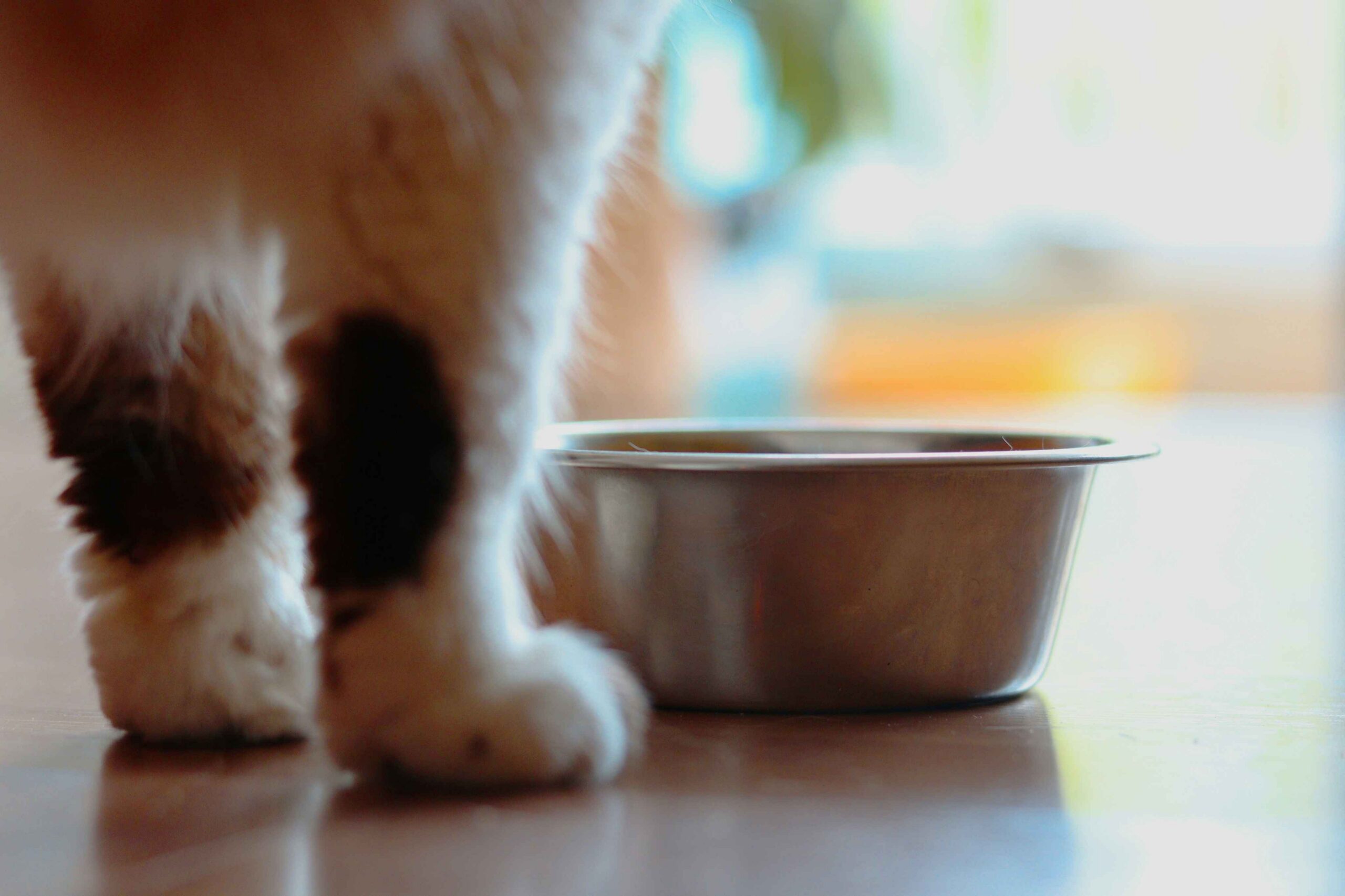
Ensure your cat has constant access to fresh water.
Proper hydration is essential for kidney function and overall health.
When to See Knutsford Vets

Recognising Urgent Signs
If you notice any sudden changes in your cat’s health, such as rapid weight loss, severe lethargy, or persistent vomiting, seek veterinary care immediately.

Regular Screening
Routine screening for common diseases can help detect issues before they become severe. Discuss with a member of our team about the appropriate screening schedule for your cat.
Noticed any changes in your cat? Book a senior health check
Summary
Regular monitoring and early detection of common diseases are vital for health and well-being. By understanding the signs and symptoms of conditions like CKD, hyperthyroidism, diabetes, and arthritis, and by maintaining regular veterinary visits, you can help ensure your cat lives a comfortable and happy life.
Resources
For more information on monitoring for common diseases in senior cats, visit these resources:
// more senior cat help //
Next in Senior Cat Help
Follow our guides step by step to give your senior cat the best possible care.
Common Diseases
in Senior Cats
Understanding Arthritis
in Senior Cats