
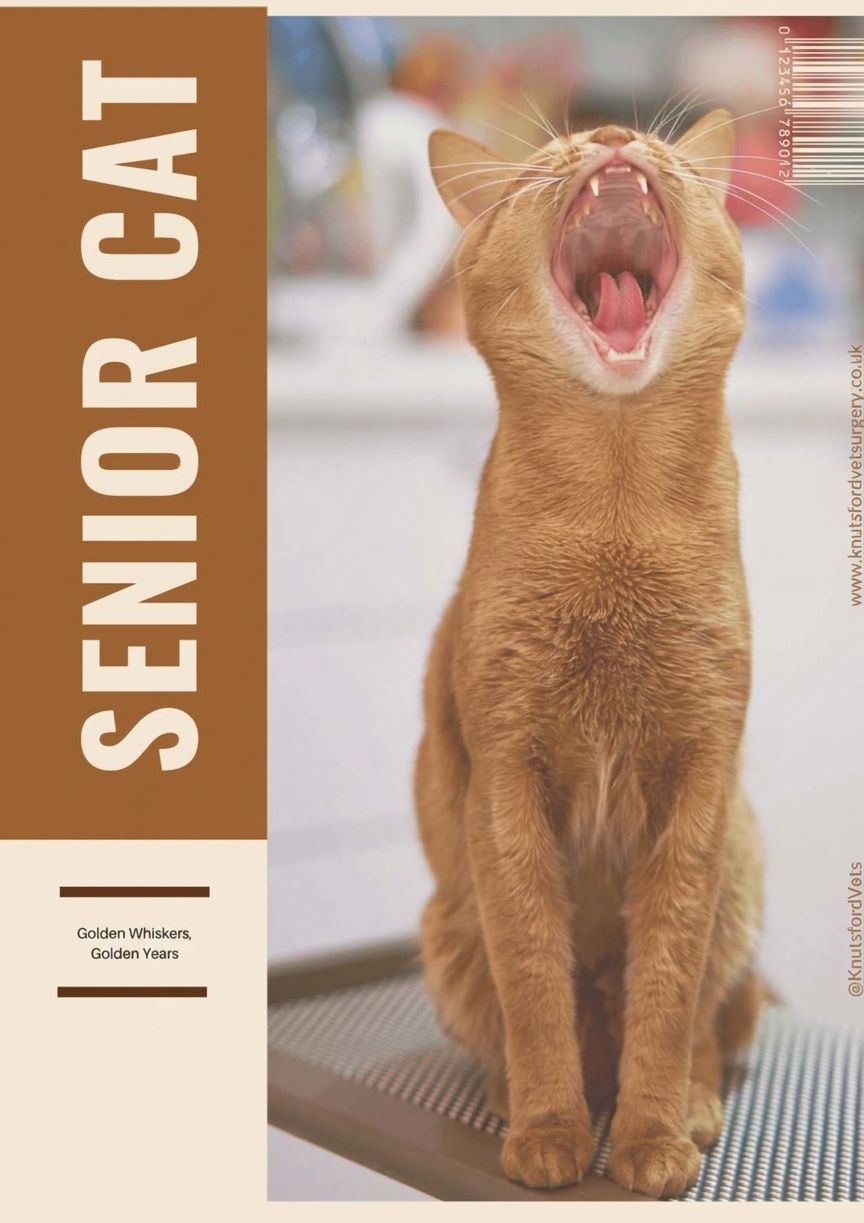
Importance of Regular Check-ups
As cats age, their health needs become more complex, making regular check-ups essential.
Senior cats, those over the age of 8, are at a higher risk for various health issues that can be managed effectively if detected early.
Regular visits are a cornerstone of proactive healthcare, helping to maintain your cat’s quality of life.
Frequency of Visits
For senior cats, bi-annual check-ups are recommended. These frequent visits allow for early detection of potential health problems, enabling timely intervention and management.
“Regular veterinary visits are crucial for early detection and management of health issues in senior cats. Bi-annual check-ups can help catch diseases early and maintain a high quality of life.” – Pittari et al., 2009.
What to Expect During a Check-up
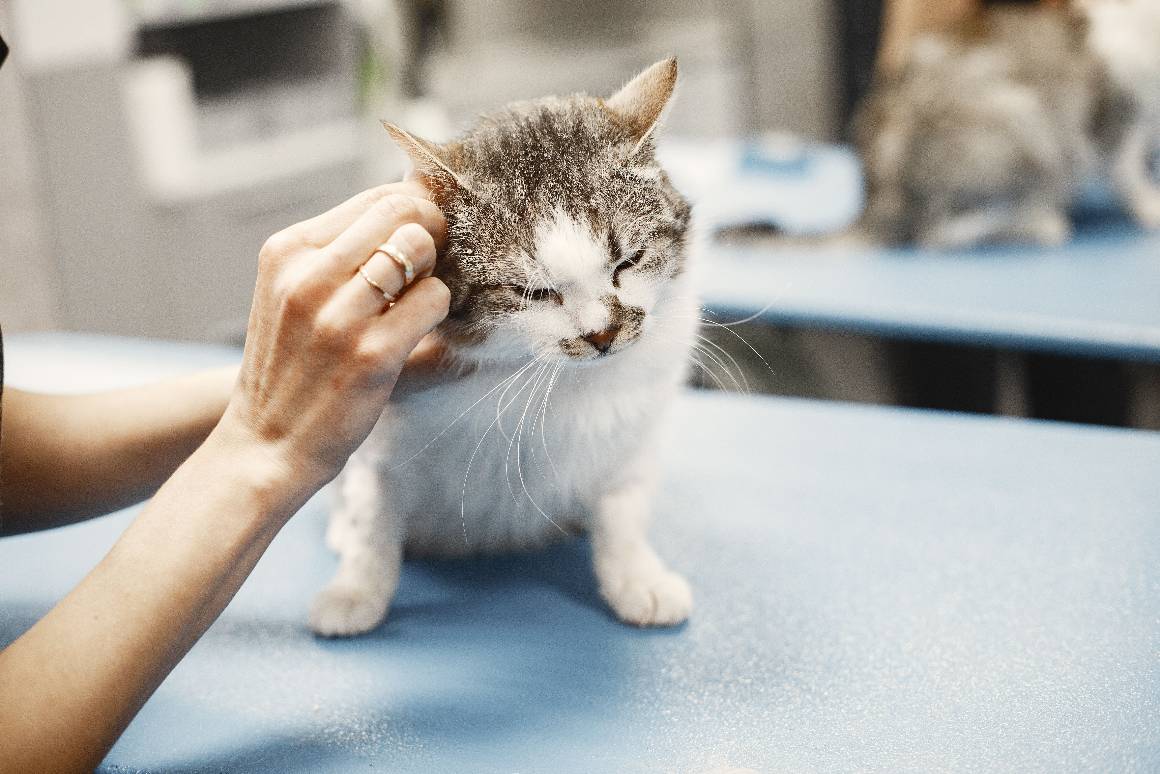
During a senior cat’s check-up, we will conduct a thorough physical examination, review your cat’sd medical history, and may recommend additional diagnostic tests. Key areas of focus include:
Weight and Body Condition: Monitoring his weight and body condition to detect obesity or weight loss.
Dental Health: Checking for signs of dental disease, which is common in older cats.
Blood Pressure: Measuring blood pressure to screen for hypertension, a common issue.
Laboratory Tests: Blood tests, urinalysis, and possibly imaging to detect underlying conditions like kidney disease, diabetes, or hyperthyroidism.
Preventive Care
Regular check-ups also provide an opportunity for preventive care, including vaccinations, parasite control, and nutritional counselling.
We may suggest dietary changes or supplements to address his specific health needs.
“Preventive care during regular veterinary visits can significantly reduce the risk of serious health issues and improve the overall well-being of senior cats.” – Dhaliwal et al., 2022.
Benefits of Early Detection
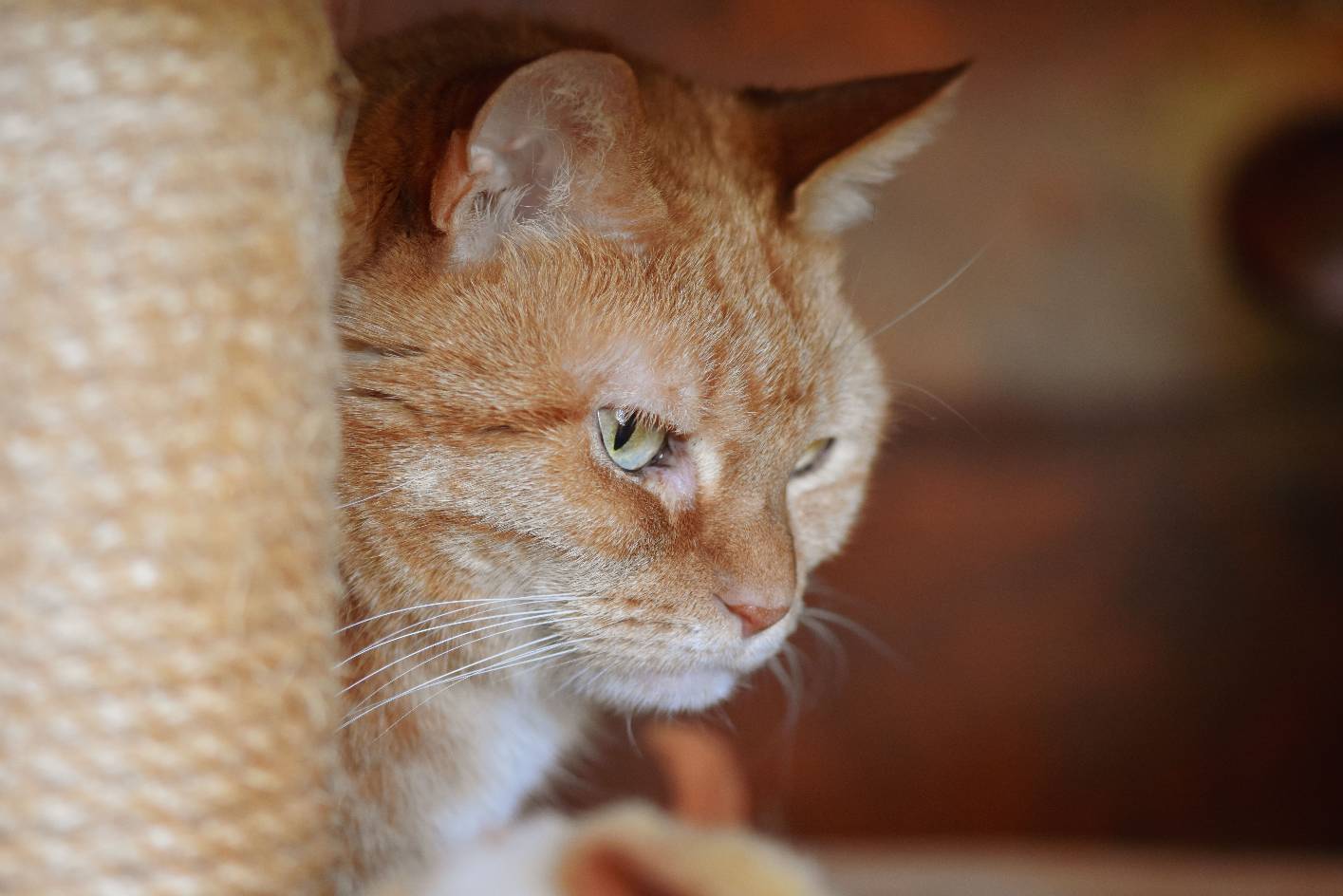
Early detection of health issues in senior cats can lead to more effective treatments and better outcomes.
Common conditions like arthritis, kidney disease, and dental problems can be managed more successfully when identified early.
Interactive Play: Engage in interactive play sessions with toys that encourage gentle movement.
Short Walks: Encourage short, slow walks around the house to keep joints active.
Stretching: Gentle stretching exercises can help improve flexibility and reduce stiffness.
How to Prepare for your visit
with Knutsford Vets
To make the most of your cat’s visit, prepare by:
Keeping Records: Maintain a record of any changes in behaviour, appetite, or physical condition to discuss with us.
Transportation: Use a comfortable carrier to reduce stress during the trip.
Asking Questions: Prepare a list of questions or concerns you have about Rover’s health to discuss during the visit.
Summary
Regular check-ups are vital for maintaining the health and well-being of senior cats. By scheduling bi-annual visits, you can ensure early detection and management of health issues, providing your cat with the best care possible.
Resources
For more information on urinary tract health in senior cats, visit these resources:
// more senior cat help //
Next in Senior Cat Help
Follow our guides step by step to give your senior cat the best possible care.
Pain Management
for Senior Cats
End-of-Life Care
for Senior Cats