
Senior Cat Care
Expert care for older cats from Knutsford’s Gold-accredited Cat Friendly Clinic.
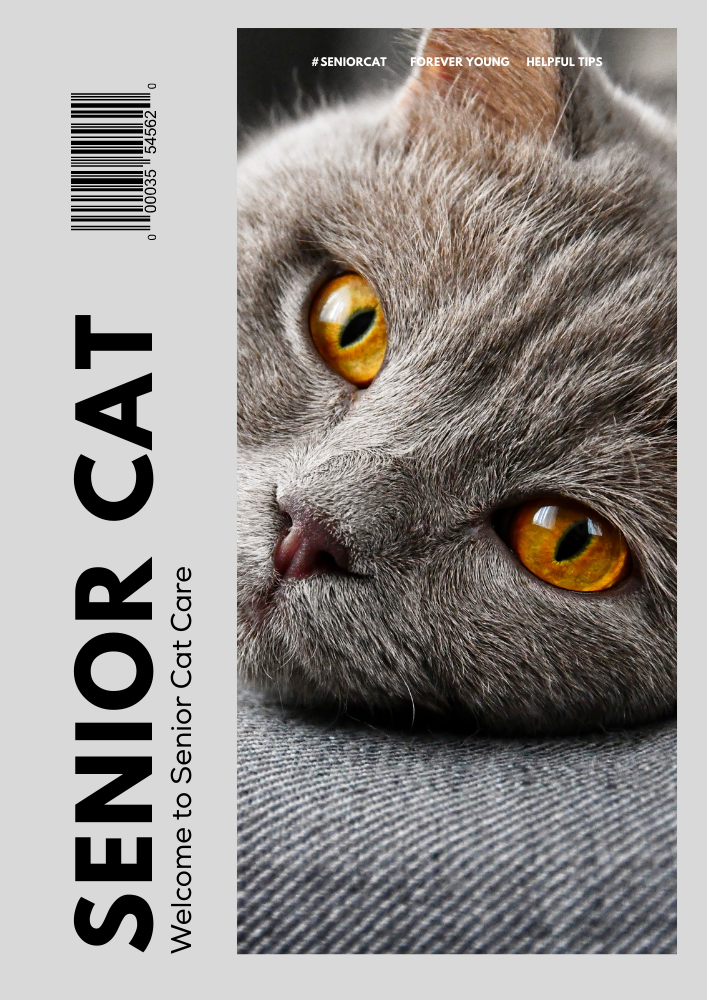
Welcome to Senior Cat Care
We have been passionate advocates for cats since we opened over a decade ago. We were one of the first practices to become an accredited Cat Friendly Clinic, and we now hold Gold status in recognition of our commitment to feline care.
As part of that commitment, we’ve created this senior cat care guide — part of our Senior Pet Hub — to help you keep your cat healthy, comfortable and happy throughout their golden years.
As cats age, their health and care needs change significantly. From around eight years of age, cats benefit from a little extra attention — subtle changes that are easy to miss at home can be early signs of treatable conditions.
This guide walks you through the key areas of caring for an older cat, step by step.
Understanding Ageing in Cats
Cats age differently from humans, and their senior years can bring about changes that might not be immediately noticeable. Regular visits with us and attentiveness to subtle changes in behaviour or physical condition are crucial.
“Consistent, high-quality care can promote longevity and improve the quality of life for these pets.” – Pittari et al., 2009
Key Areas of focus
Regular Health Checks
Twice-yearly check-ups are the single best way to catch age-related disease early. Six months is a long time in a senior cat’s life — roughly the equivalent of two human years. Book a senior health check online today.
Nutrition
Older cats have different dietary needs. High-quality, easily digestible protein and controlled calorie intake help maintain a healthy weight and preserve muscle mass. Ask us about the best food for your senior cat at your next visit.
Dental Health
Dental disease is one of the most common (and most treatable) problems in older cats. Regular dental checks keep eating comfortable and prevent painful disease going unnoticed.
Hydration
Make sure fresh water is always available, and consider adding wet food to your cat’s diet. A change in how much your cat drinks can also be an early sign of illness — mention it at your next check-up.
Environmental Enrichment
Gentle play, puzzle feeders and easy access to favourite resting spots keep older cats mentally stimulated, mobile and happy.
Common Health Issues in Older Cats
As cats age they become more susceptible to certain conditions. All four below are far easier to manage when caught early — which is why we recommend six-monthly senior health checks.

Arthritis
Arthritis affects most cats over twelve, but it’s easily missed because cats rarely limp. Signs of arthritis in cats include stiffness, hesitating before jumping, sleeping more, and grooming less — especially over the back and hips.
Kidney Disease
Chronic kidney disease is one of the most common conditions in senior cats. Increased thirst and urination are often the earliest symptoms, sometimes with weight loss and a reduced appetite. Early diagnosis makes a real difference.
Hyperthyroidism
Weight loss despite a good — or even ravenous — appetite is the classic sign of hyperthyroidism in cats. You may also notice restlessness, vocalising at night, or an unkempt coat. It is very treatable once diagnosed.
Diabetes
Watch for increased thirst, more frequent urination and weight loss. Diabetes is more common in overweight cats, which is another reason weight management matters in later life.
Noticed any of these signs in your cat? Book a senior health check — a simple examination, with blood and urine tests where needed, can rule these conditions in or out.
Senior Cat FAQs
When is a cat considered a senior?
Cats are generally classed as “mature” from around seven and “senior” from around ten, though every cat ages differently. We recommend starting senior health checks from age eight so that age-related changes are picked up as early as possible.
How often should an older cat see the vet?
We recommend a check-up every six months for senior cats. Cats are very good at hiding illness, and six months to a cat is roughly two years to us — a lot can change between visits.
What should I feed my older cat?
Senior cats do best on a diet with high-quality, easily digestible protein and controlled calories to protect muscle while avoiding weight gain. Some conditions (such as kidney disease) call for specific diets — ask us for a recommendation tailored to your cat.
Why is my older cat drinking more water?
Increased thirst in an older cat should always be checked. It can be an early sign of kidney disease, diabetes or hyperthyroidism — all much easier to manage when caught early.
Why is my cat losing weight but still eating well?
Weight loss despite a healthy appetite is the classic sign of hyperthyroidism, though diabetes and other conditions can look similar. It always warrants a check-up.
Summary
To help keep your senior cat healthy:
- Schedule six-monthly senior health checks with us.
- Adjust their diet to meet changing nutritional needs.
- Keep on top of dental health.
- Ensure constant access to fresh water.
- Provide daily mental and physical stimulation.
Resources
For more detail on caring for older cats, these independent resources are excellent:
// more senior cat help //
Next in Senior Cat Help
Follow our guides step by step to give your senior cat the best possible care.
Common Diseases
in Senior Cats
Arthritis & Mobility
in Senior Cats