
Arthritis in Older Cats
Arthritis is a common condition in senior cats, characterised by inflammation of the joints, leading to pain and decreased mobility.
As cats age, their joints undergo wear and tear, which can result in arthritis.
Recognising and managing arthritis is crucial for maintaining your cat’s quality of life.
Signs of Arthritis
Identifying arthritis in cats can be challenging, as they tend to hide discomfort. Look for these signs:
Decreased Activity: Reluctance to jump, climb, or play.
Stiffness and Lameness: Noticeable stiffness, especially after resting.
Difficulty Grooming: Inability to groom themselves properly.
Behavioural Changes: Increased irritability or changes in litter tray habits due to pain.
“Arthritis in senior cats often goes unnoticed due to their natural instinct to hide pain. Regular monitoring and veterinary check-ups are essential for early detection and management.” – Ray et al., 2021
Managing Arthritis
There are several strategies to manage arthritis in senior cats and improve their mobility:
Veterinary Care: Regular check-ups with us to monitor the progression of arthritis and adjust treatment plans as needed.
Medications: Pain relief and anti-inflammatory drugs can help manage discomfort.
Supplements: Glucosamine and chondroitin supplements can support joint health and reduce inflammation.
Weight Management: Maintaining a healthy weight reduces stress on joints. Implement a balanced diet and regular exercise.
Physical Therapy: Gentle exercises and physical therapy can help maintain mobility and reduce stiffness.
Creating a Comfortable Environment
Modifying your home environment can significantly improve your cat’s comfort:
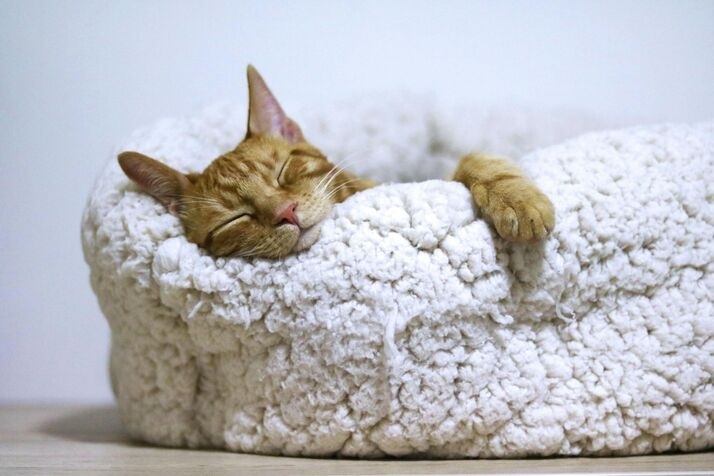
Soft Bedding: Provide soft, supportive bedding in easily accessible locations.
Ramps and Steps: Use ramps or steps to help reach favourite spots without jumping.
Accessible Litter Boxes: Use low-sided litter trays for easy access.
Warmth: Keep your cat warm, as cold can exacerbate arthritis symptoms.
“Creating an arthritis-friendly environment with accessible resources and supportive bedding can greatly enhance the comfort and quality of life for senior cats.” – Scherk, 2020

Exercise and Mobility
Regular, gentle exercise is important for maintaining mobility and muscle strength:
Interactive Play: Engage in interactive play sessions with toys that encourage gentle movement.
Short Walks: Encourage short, slow walks around the house to keep joints active.
Stretching: Gentle stretching exercises can help improve flexibility and reduce stiffness.
When to See Knutsford Vets
If you notice signs of arthritis or mobility issues, let us know. We can provide a comprehensive assessment and recommend a treatment plan tailored to your cat’s needs. Regular veterinary visits are crucial for monitoring their condition and adjusting treatments as necessary.
Noticed any changes in your cat? Book a senior health check
Summary
Managing arthritis in senior cats involves a combination of veterinary care, medication, supplements, weight management, and creating a comfortable environment.
Regular, gentle exercise and monitoring your cat’s condition are key to maintaining mobility and quality of life.
Resources
For more information on monitoring for common diseases in senior cats, visit these resources:
// more senior cat help //
Next in Senior Cat Help
Follow our guides step by step to give your senior cat the best possible care.
Common diseases
in Senior Cats
Dental Health
in Senior Cats