
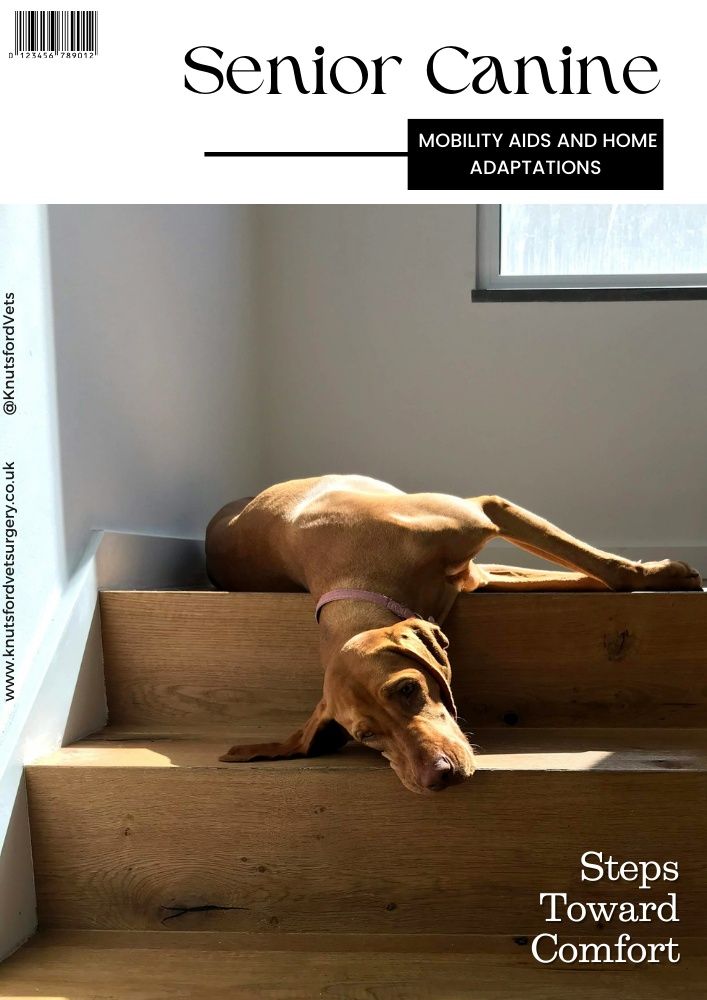
Mobility Aids and Home Adaptations
As dogs age, what used to be easy – leaping into the car, climbing stairs, or even navigating a slippery kitchen floor – can become challenging.
The good news is that there are many simple mobility aids and home tweaks that can make your dog’s life easier. By adjusting their environment to suit their needs, you’ll help them stay independent and safe.
Let’s explore some practical adaptations for an older dog’s home and routine.
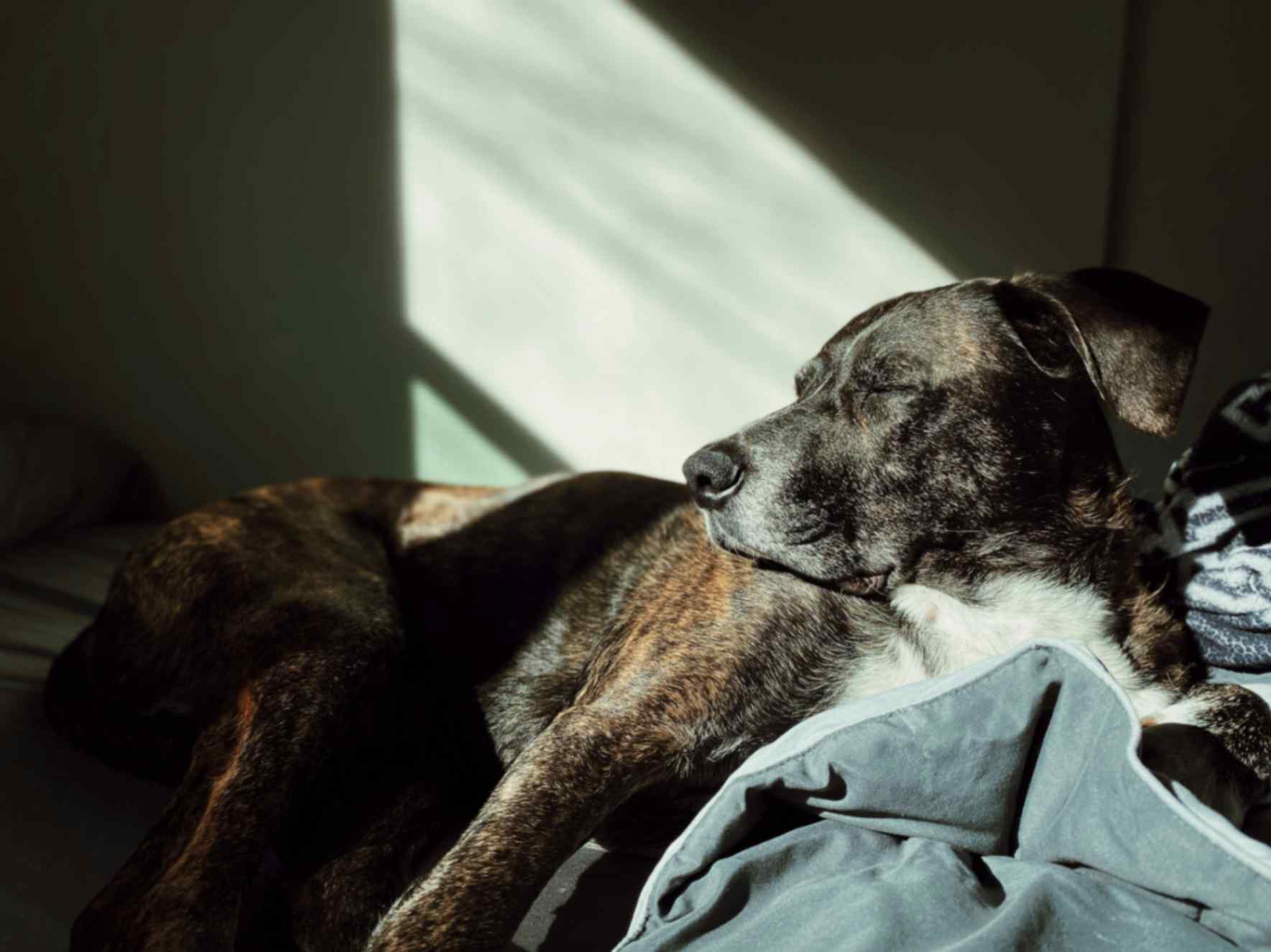
Comfortable resting areas
Senior dogs sleep a lot, so make sure they have a comfortable bed in a quiet spot. Orthopaedic dog beds (with memory foam) can cushion achy joints. Place the bed somewhere without cold drafts – older dogs, especially those with arthritis, appreciate extra warmth. If you have multiple floors and your dog has free roam, consider a bed on each level so they don’t have to climb stairs every time they want to nap. Some older dogs also enjoy having a covered “den-like” bed or crate to retreat to if they’re feeling anxious or want undisturbed rest.
Easy access to essentials
Try to keep everything your dog needs within easy reach. For example, put water bowls on each floor, so they don’t have to travel far or climb for a drink. Raise food and water bowls a bit (using a stand or a non-slip step) if your dog has neck or back pain – elevated bowls can help them eat/drink more comfortably without stooping. Make sure their favourite spots (like their bed or your sofa, if they’re allowed up) are accessible. You might use a pet ramp or stairs to help them get on the sofa or bed if they struggle to jump. Ramps are also fantastic for cars – getting into the car for visits or trips is much easier via a gentle ramp than a jump or being lifted (especially for big dogs). There are many lightweight, foldable pet ramps on the market. Teach your dog to use one with treats – most get the hang of it quickly.
Non-slip surfaces
Tile or hardwood floors can be like ice rinks for an older dog with weak legs. If you notice your dog slipping or hesitating on smooth floors, place non-slip rugs or runners in those areas. Alternative anti-slip foot pad stickers are readily available and cheap. This helps them gain traction and confidence when walking around.
Pay special attention to places like the path from their bed to the door, or around food bowls – wherever they commonly walk. This simple fix can prevent falls and injuries. Also keep floors clear of clutter – an older dog that doesn’t see or move as well can trip over things left lying about.
Stairs and steps
Stairs can become a big obstacle. If your dog is small, you might carry them, but for larger dogs that insist on following you upstairs, consider using a baby gate to block stairs when you can’t supervise, to prevent accidental falls.
For dogs that can manage some stairs, carpeted steps or treads on stairs provide better grip than wood. Go slowly and use a lead or harness if needed to steady them. For single steps (like into a doorway or a small porch step), a short ramp or even a solid step stool can help them negotiate the change in height.
Mobility aids
Besides ramps, there are other handy aids. Support harnesses (with a handle) can be invaluable if your dog needs help getting up or has wobbliness in the hind end. You can gently lift with the handle to take weight off and help them climb stairs or get in the car. There are rear-end harnesses specifically for this purpose. Even a simple sling (like a folded towel under the belly) can be used to give a bit of a lift to a dog that needs support to stand.
Booties with good grips can help dogs who knuckle or drag their feet a bit (common with some neurologic decline) – they prevent scraping and give traction, though not all dogs tolerate wearing them.
Household temperature and climate
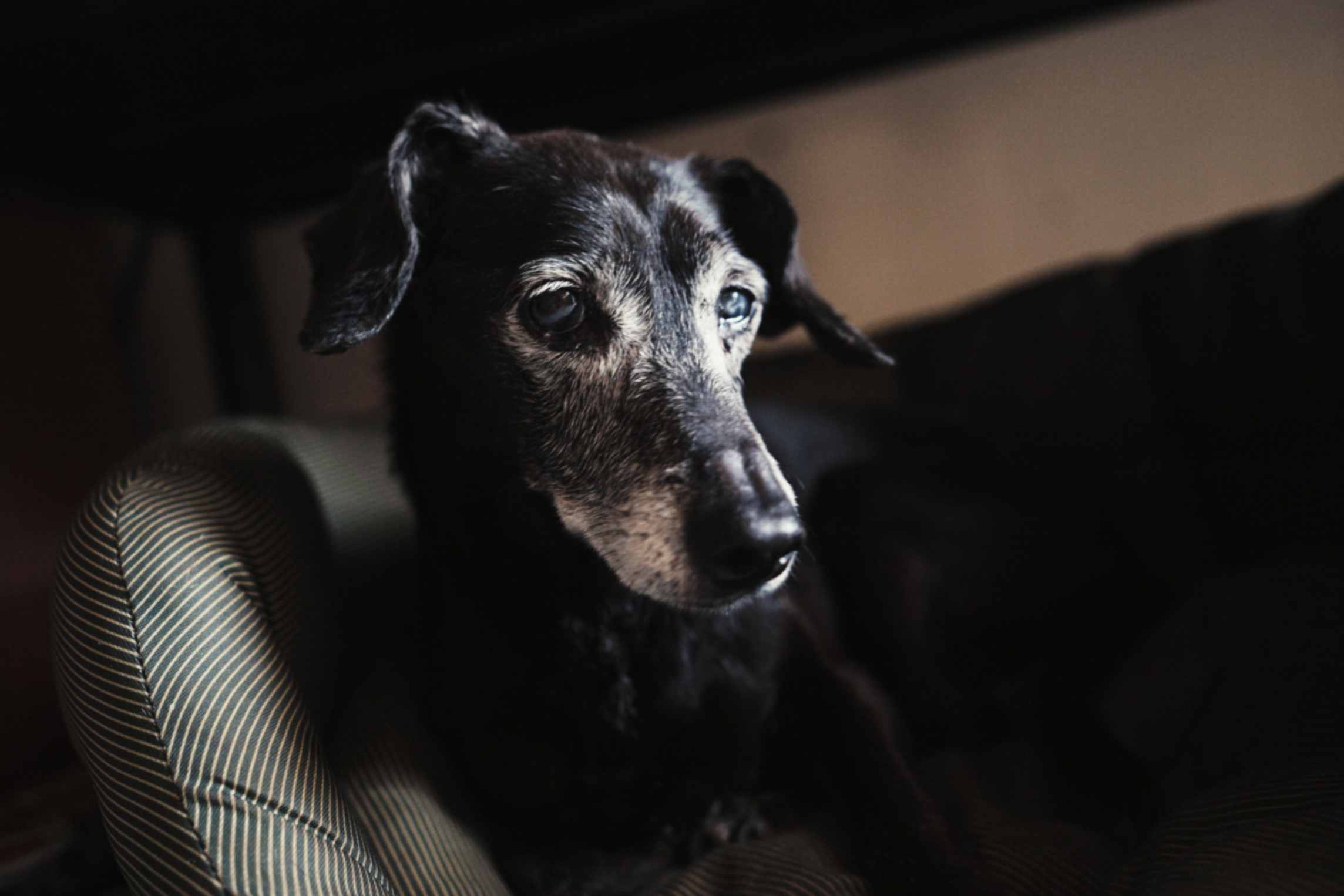
Senior dogs often feel extremes of temperature more. In cold weather, help them stay warm – a well-fitted dog coat or jumper during winter walks can keep their muscles limber and reduce joint stiffness. Indoors, ensure their bed is away from draughty windows or doors. In hot weather, older dogs can overheat quickly (especially if they have heart or respiratory issues).
Make sure they have a cool place to lie down, and use AC (if available) to keep indoor temps comfortable. Remember, moderation is key – older dogs like the Goldilocks zone (not too hot, not too cold).
Toileting help
Some older dogs may need to go to the toilet more frequently (due to a weaker bladder or medical issues). Avoid accidents by adjusting their routine: more frequent toilet breaks outside, and perhaps installing a dog flap for easy access to the garden if feasible. If mobility is an issue, make sure the route outside is not too onerous – maybe use a ramp over any steps as mentioned, and keep the toilet area close to the door.
For male dogs who have trouble lifting legs, a lower spot or even a ground-level “pee pad” area outside might be useful. In a pinch (like during illness), indoor incontinence sheets or artificial grass patches can be life-savers.
Safety and supervision
Older dogs can sometimes get into predicaments younger dogs wouldn’t – like slipping into a pool, getting stuck under furniture, etc., due to reduced agility or cognitive decline.
Take a look around your home and garden with fresh eyes for senior safety: block off pools or ponds, fence off any hazardous areas, and maybe don’t leave your dog outside unattended for long periods (they could overheat, get cold, or simply get confused). Inside, keep night lights on in case they wander at night (helps those with poor vision or dementia).
Quality of life improvements
Consider if there are any activities your dog loves that you can adapt. For example, if they used to love fetch but can’t chase as far now, maybe gently toss a soft toy a short distance on carpet.
If they enjoyed running beside you while cycling, perhaps a slow walk together is the new norm. Adapt playtime to something they can manage – brain games, gentle tug-of-war, even massage/grooming sessions can replace more vigorous pastimes.
It’s all about keeping them engaged but within their comfort zone.
Practical tips checklist
Think “accessibility”: Water, food, bed, toys – make them easy to get to.
Protect from slips: Carpet runners or non-slip mats in key areas (hallways, by the bowl, etc.), or anti-slip foot pad stickers are great options.
Assist with elevation: Use ramps or pet stairs for furniture and car rides; consider a harness for support on walks or stairs.
Optimise comfort: Orthopaedic beds and cosy blankets; maybe elevate food bowls.
Monitor and adjust: Watch how your dog navigates the house – if you see them struggle (like hesitation before jumping on the sofa or trouble getting in the door), intervene with a helpful solution (like a ramp or a little platform step). Often our dogs “tell” us where they need help by their body language.
Summary
A few home improvements can greatly improve your dog’s day-to-day life. By removing obstacles and adding aids, you’ll help them maintain dignity and mobility as they age.
// more senior dog help //
Next in Senior dog Help
Follow our guides step by step to give your senior dog the best possible care.
Seasonal Care Tips
for Senior Dogs
Regular Health Checks
for Senior Dogs