
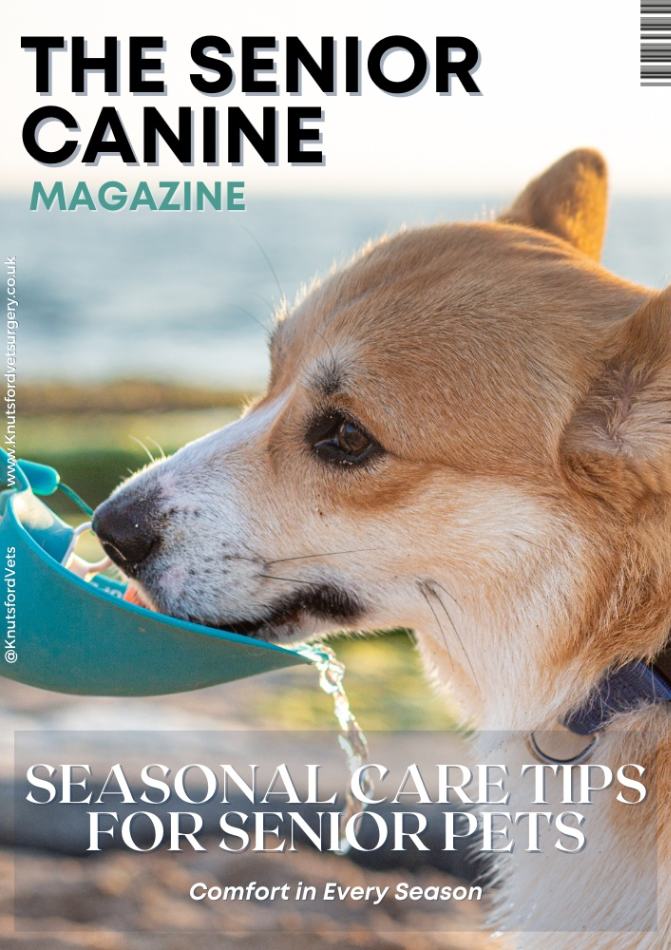
Seasonal Care Tips
for Senior Dogs
The changing seasons bring different challenges for our senior dogs. Older pets can be more sensitive to temperature extremes and often react strongly to events like thunderstorms or fireworks.
In this content piece of our Senior Pet care series, we’ve compiled seasonal care tips to keep your dog safe and content year-round – from staying cool in summer to keeping warm in winter, and handling noisy celebrations like Bonfire Night.
A little preparation goes a long way to help your golden oldie weather any weather!

Hot Weather
Senior dogs are at higher risk of heatstroke, especially if they have underlying conditions or are overweight. In warm months, take steps to keep your dog cool.
Avoid the midday heat – exercise your dog during early morning or late evening when it’s cooler. On very hot days, even skip walks and opt for gentle indoor play or brief toilet breaks only.
Always provide shade and fresh water if your dog is outside. At home, keep a cool spot available (such as tiled floors or a fan nearby). Cooling mats or a damp towel to lie on can also help.
Watch for signs of overheating: excessive panting, drooling, dark red gums, weakness, or collapse. If you see these, move your dog to a cooler area immediately and contact us for advice, as heatstroke is an emergency.
Never leave a senior (or any dog) in a parked car or conservatory in warm weather – even for a minute.
Certain breeds (like Pugs and Bulldogs) and dogs with heart or lung issues are more prone to heat stress.
Consider a summer haircut for long-coated seniors, but leave at least an inch of fur to protect from sunburn. (Yes, dogs can get sunburn – particularly light-coloured or thin-coated ones – so consider pet-safe sunscreen on ear tips and the nose.)
Summertime can still be fun – provide a shallow paddling pool for a cool paw soak or make “pupsicles” (frozen dog-safe treats) for them to enjoy.
Cold Weather
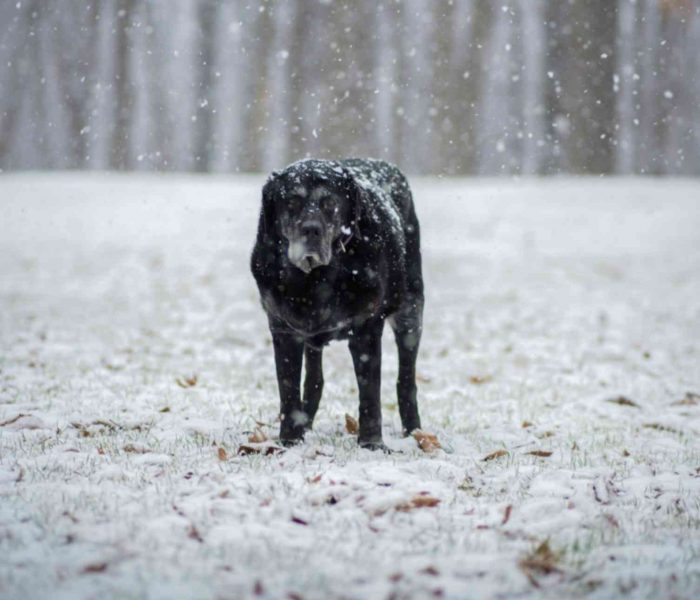
Cold and damp can aggravate arthritis and mobility issues in older dogs. When it’s chilly, keep your dog warm.
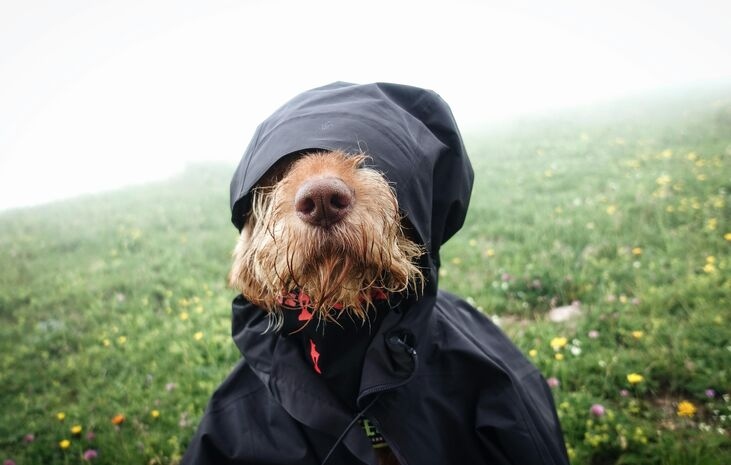
If your dog tolerates clothing, a well-fitted dog coat or jumper for walks is a great idea, particularly for thin or small dogs. Raincoats also help keep them dry, as wet fur loses its insulating ability.
Indoors, ensure their bed is in a cosy spot away from draughts – perhaps add an extra blanket they can burrow into. Pet-safe heating pads or heated beds (on a low setting) can help arthritic seniors, but always provide an unheated area so your dog can move away if too warm.
Keep nails trimmed, as long nails in winter can reduce traction on slippery surfaces.
Be mindful of ice – older dogs can slip easily. Consider booties with grip if your dog will wear them, or stick to grassy areas for walks.
After walks, wipe your dog’s paws – not just for mud, but also if grit or salt is used on roads, as these can irritate paw pads (and be toxic if licked). Use warm water to melt snow from between their toes.
Some seniors struggle more with incontinence in cold weather, being reluctant to toilet outside. Be patient, and perhaps clear a path or space in the garden for them.
As evenings are darker in winter, use reflective gear or a light on your dog’s collar so they’re visible during walks.
Fireworks & Thunderstorms
Loud noises can be terrifying for many dogs, and seniors might become more anxious with age. Fireworks season (around Bonfire Night and New Year’s Eve) is a common challenge.
Plan ahead: Create a safe haven for your dog – a comfy den in a quiet interior room, or a covered crate with blankets, where they can retreat.
On fireworks nights, keep your dog indoors. Walk them before dark so you’re home before the bangs begin. Close windows and curtains to muffle noise and flashes. Play gentle music or TV for background sound.
Stick to normal routines and act calm; dogs pick up on our emotions. Comforting your dog if they seek reassurance is fine – you won’t reinforce fear by soothing them.
If they hide in their den, let them. Don’t drag them out; just check on them quietly.
Ensure they’re wearing collar tags and that their microchip details are up to date in case they escape.
Consider calming aids such as a Zenidog pheromone diffuser or collar, started a week or two before fireworks. Some dogs benefit from a snug anxiety wrap (like a ThunderShirt).
For severe phobias, speak to us well ahead of time – we may prescribe safe, short-term anti-anxiety medication. (Never give human medicines.)
During fireworks, don’t punish your dog for being afraid. Instead, stay nearby, speak soothingly, and offer a chew or treat if they’ll take it.
Some enjoy indoor play to distract from distant bangs, while others prefer to cuddle – follow your dog’s lead.
(A quick note: These same tips largely apply to thunderstorms. For storm-phobic dogs, additionally, you can watch weather reports and use similar preparations. One difference: static buildup before storms can bother dogs; rubbing their coat with a dryer sheet can reduce static (weird but true!)
Seasonal Allergies or Changes
In spring and summer, pollen, grasses, or moulds may cause itchiness. Groom your dog regularly and wipe their paws after walks to remove pollen.
In autumn, watch out for conkers (horse chestnuts) and acorns, which can be toxic if eaten. Senior dogs may be more inclined to pick up unusual items.
Winter holidays bring tempting foods – keep your dog away from rich scraps that can cause pancreatitis, as well as toxic foods such as chocolate or xylitol-sweetened treats.
Always ensure your dog’s microchip and ID are up to date, especially before holiday or fireworks seasons.
Year-round tip
As senses dull with age, your dog relies on you more to navigate hazards. If their vision is poor, they might not spot the edge of a frozen pond or a hot barbecue. Keep a closer eye on them outdoors.
And don’t forget parasite prevention (fleas, ticks, worms). Seniors are just as vulnerable as younger dogs, and infestations or tick-borne diseases can be especially tough on older pets. Keep up the preventatives recommended by us year-round.
Summary
Each season brings its own joys and challenges for senior pets. With a few precautions – keeping them cool in summer, cosy in winter, and calm during fireworks and storms – your dog can stay comfortable and enjoy the year in full.
// more senior dog help //
Next in Senior dog Help
Follow our guides step by step to give your senior dog the best possible care.
Enrichment & Mental Stimulation
for Senior Dogs
Mobility & Adaptations
for Senior Dogs