
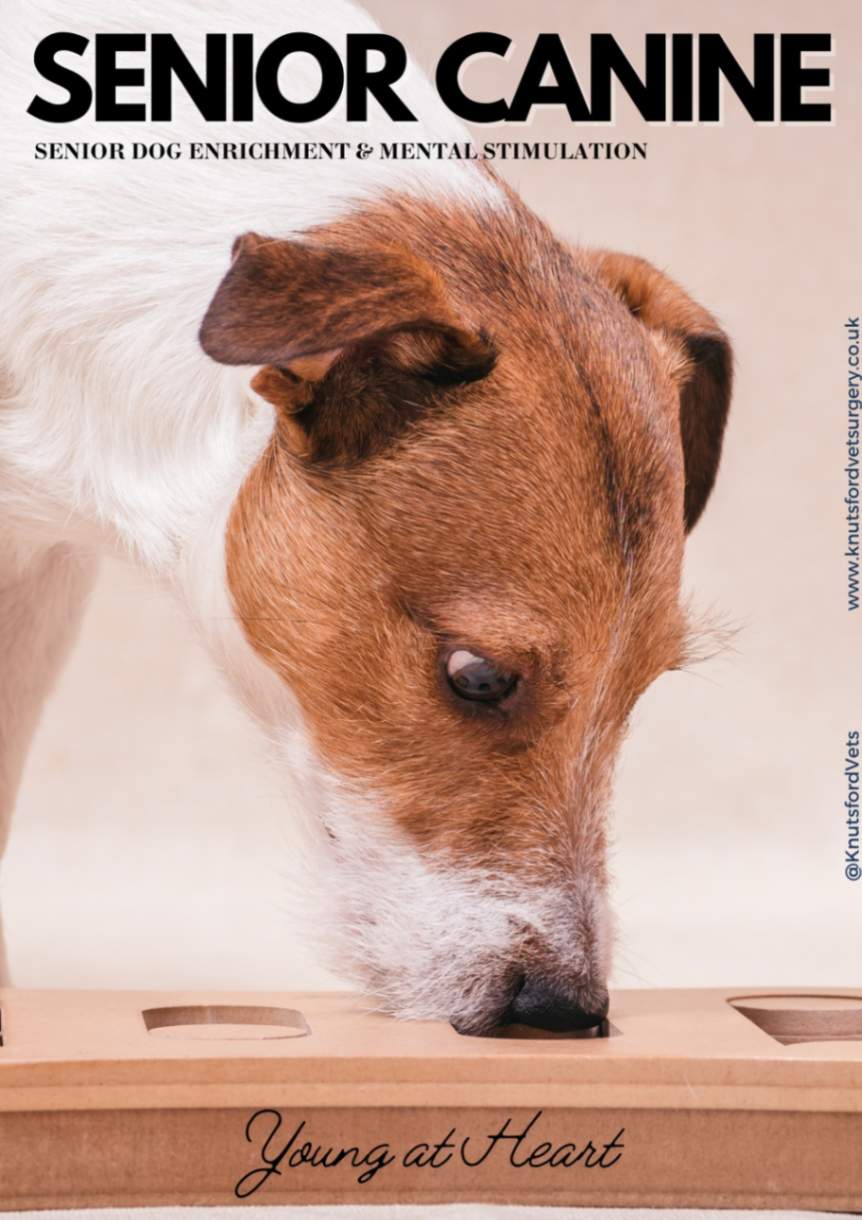
Mental Stimulation
& Enrichment
for Senior Dogs
Getting older doesn’t mean life has to be boring!
Senior dogs might sleep more, but they still thrive on mental stimulation and fun activities suited to their abilities. In fact, keeping your dog’s brain engaged can help fend off cognitive decline (as covered in CCD) and brighten their days.
Enrichment isn’t just for young pups – it’s vital for seniors too, though it may be at a gentler pace. In this email, we’ll explore ways to provide safe, enjoyable enrichment and mental stimulation.
Why enrichment matters
Dogs are intelligent, curious creatures at any age. Without things to do or think about, older dogs can become disinterested or even depressed. Regular mental stimulation can reduce anxiety, improve sleep, and give them a sense of purpose. Think of it as “use it or lose it” – engaging their brain through games and new experiences helps keep those neural pathways firing. It can also be a great one-on-one bonding time.
Tailoring activities to your dog
The key is to adapt play and exercise to a senior pet’s current abilities. A 12-year-old arthritic dog won’t be chasing a ball for an hour – but they might happily sniff around the garden “reading” scent messages for that long. Here are some senior-friendly enrichment ideas:
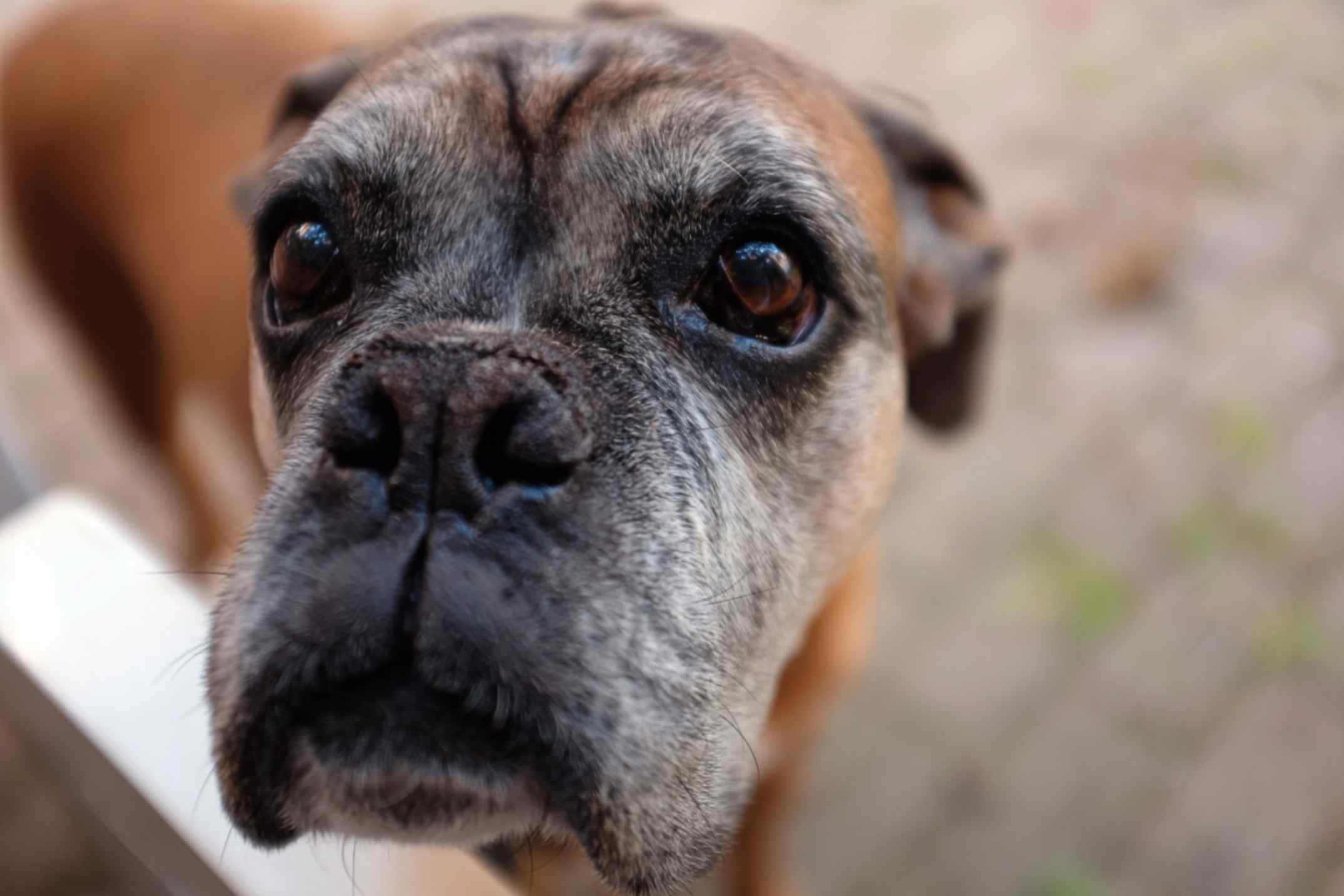
Nose work games: A dog’s sense of smell stays sharp even in old age. Tap into that by creating sniffing games. For example, hide treats around the house at nose level and let your dog hunt for them. Start easy (place one in plain sight and encourage them) and then make it more challenging (under a corner of a rug, behind a chair leg, etc.). Many older dogs love “find it” games and will eagerly use their sniffer. You can also scatter part of his meal in the grass in the garden for a leisurely sniffari meal.
Puzzle feeders: Instead of serving food in a plain bowl, try a puzzle feeder or food-dispensing toy. There are many types – from treat balls that drop kibble as they roll, to snuffle mats (fabric mats where kibble is hidden among strips for foraging). Choose one that matches your dog’s patience and skill. Start with easy ones (like a muffin tin with kibble under tennis balls) and see how they do. Food puzzles stimulate problem-solving skills and make mealtime more engaging. Just ensure the puzzle isn’t so tough that they get frustrated – we want it fun, not stressful.
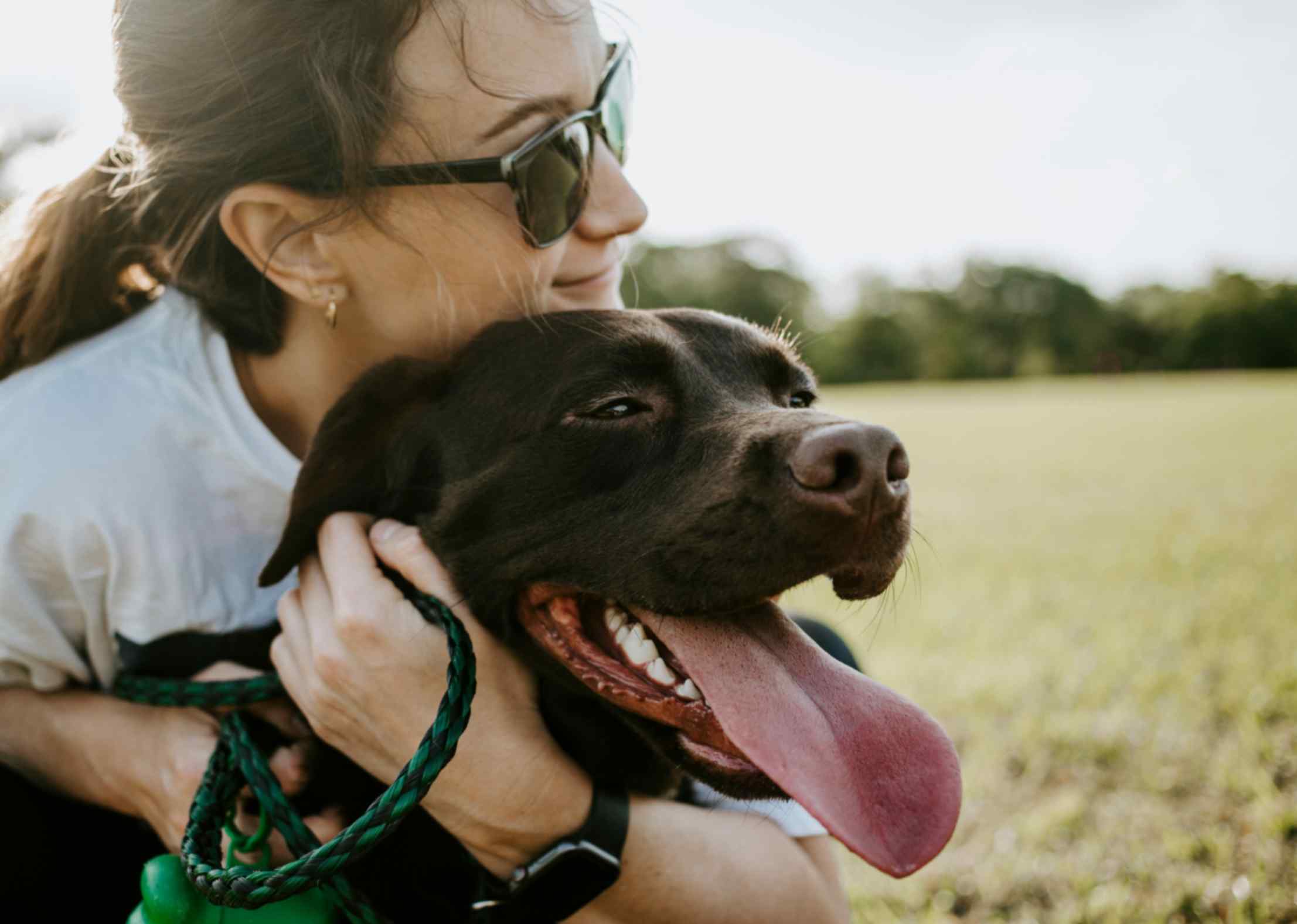
Gentle obedience or trick training: Contrary to the saying, you can teach an old dog new tricks! Keep your dog’s mind sharp by practising basic obedience commands (sit, paw, lie down) or teaching a simple new trick. Maybe teach his a cute trick like “touch” (booping your hand with their nose) or “find the toy”. Training provides mental exercise and a sense of accomplishment. Use positive reinforcement (treats and praise). Training sessions can be very short, even 5 minutes, and many seniors enjoy the attention and mental challenge.
Scent walks and explorations: Adjust your walks to be more about sniffing than distance. Let your dog take the lead (within safe boundaries) and sniff to their heart’s content at every lamppost and bush. This is basically “doggy newspaper” time – very enriching! You can even do a “sniffari” in your garden or a new park: allow your dog plenty of time to explore at their own pace. Mental stimulation through new smells can tire them out as much as physical exercise.
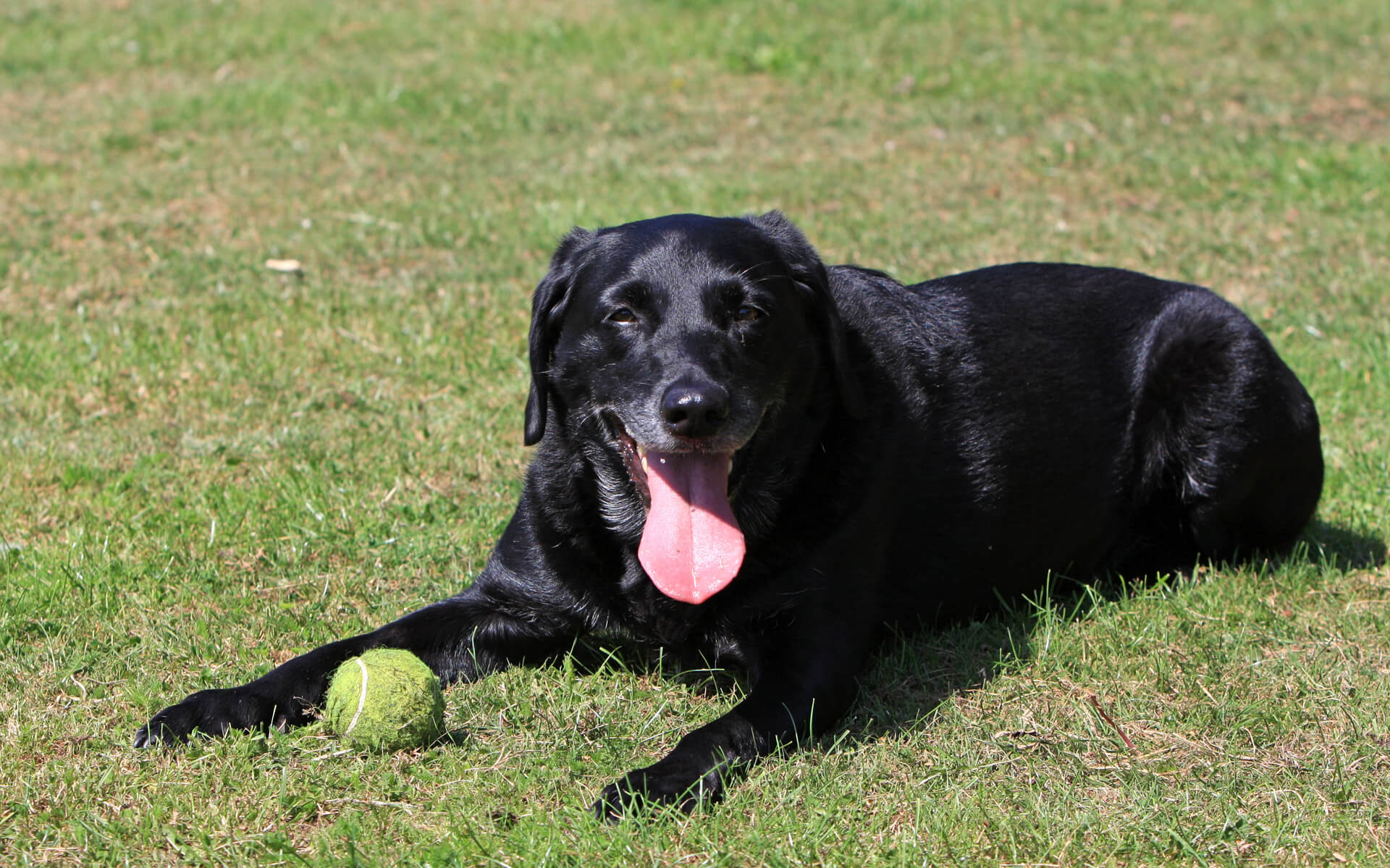
Interactive play, modified: If your dog still likes toys, cater to them. Instead of high-impact fetch, you could roll a ball gently for them to nudge, or play a slow game of tug with a soft toy. Maybe they can’t jump for a frisbee, but they might enjoy you holding a toy and letting them paw or mouth it on the ground. Some older dogs enjoy “object exploration” – a box full of safe objects or toys to investigate can be like a doggy scavenger hunt.
Massage and touch: Massage can be a form of enrichment – it provides sensory stimulation and strengthens your bond. Gently stroking, petting, and massaging your dog can relax them and increase their awareness of their body in a positive way.
Social interactions: If your dog is social, arranging calm meet-ups with other friendly dogs or familiar human friends can stimulate them. Older dogs might not romp, but they often still enjoy company.
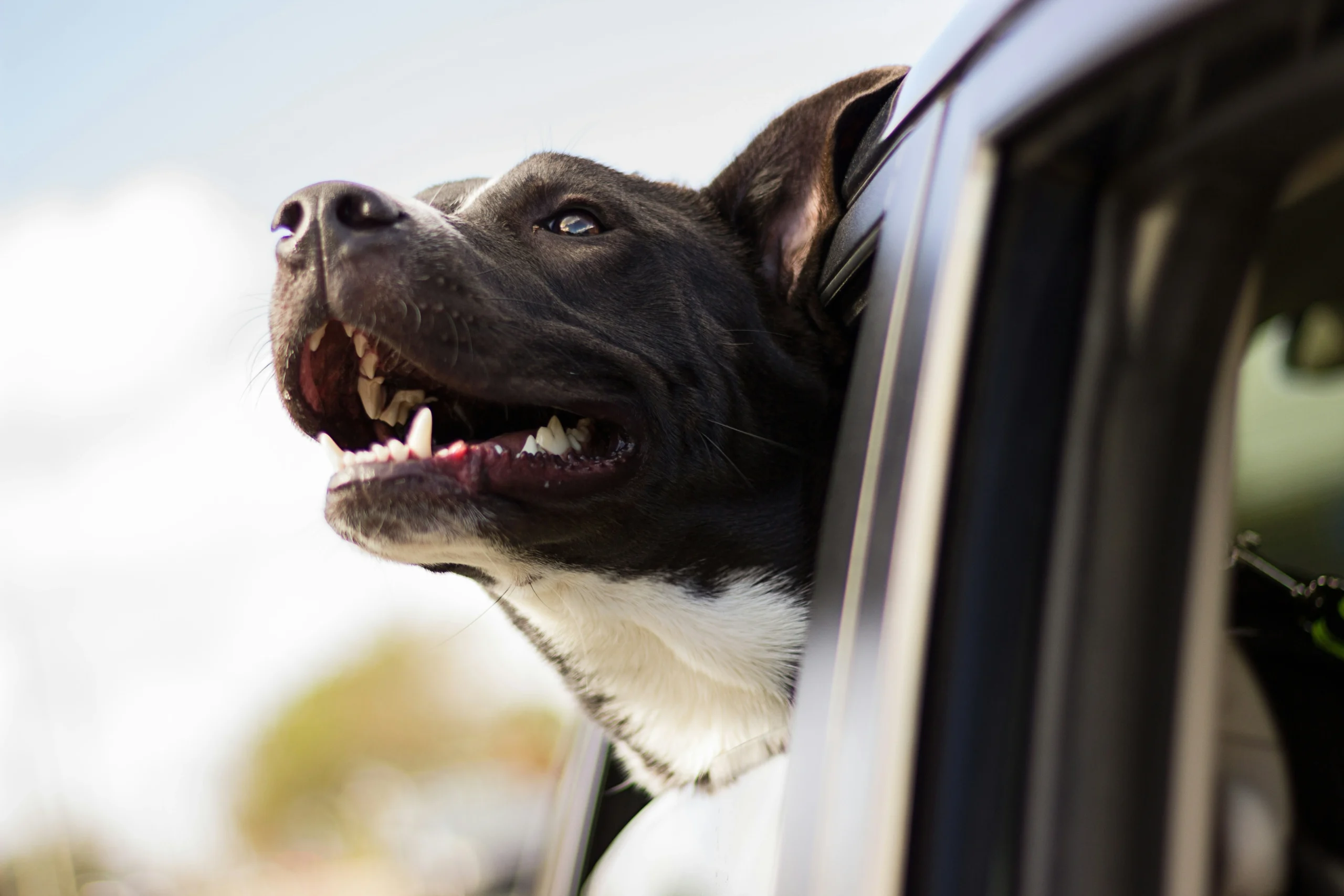
Variety in routine: While we emphasise routine for security (especially with cognitive issues), small variations can be enriching – like a car ride to a different park, a new route on a walk, or even bringing your dog along for a short outing if they enjoy car rides. New environments bring new smells and sights, which engage theirir brain.
Know their limits
Enrichment should be positive and not exacerbate any health issues. Watch your dog’s energy and stop before they get overtired or frustrated. For example, if they have arthritis, favour games that don’t require jumping or quick turns. If they have poor vision, rely on nose and sound more than visual cues (maybe use smelly treats or gentle noises to guide them). If hearing is reduced, use visual or touch signals. Play to their strengths and senses that still work well. Senior enrichment is often about quality time more than high intensity.
Creating a senior-friendly enrichment plan
Rotate through a few different activities each week. Perhaps Monday is “snuffle mat at dinner” day, Tuesday a short training session, Wednesday a playdate or car ride, Thursday hide-and-seek treats, etc. Routine with variety sounds contradictory, but it means predictably having something fun each day, with the specifics varying. Always monitor afterwards – a sign of a good session is a content, maybe mildly tired dog who settles down comfortably. If your dog seems anxious or exhausted, dial back next time.
Mind and body connection
Mental and physical health are linked. A dog that’s in pain or feeling unwell won’t want to engage. So make sure any health issues are addressed so your dog can enjoy these activities. When they feel good physically, they’re more likely to show interest in play and interaction.
Practical tip
One of the easiest enrichments is just extra quality time with you. Our attention is the best enrichment for a companion animal. Many senior dogs become very attached to their owners as they age; engaging with them, talking to them, and including them in family activities (even if just lying by your feet during movie night) provides mental stimulation and a sense of security.
Summary
Old dogs can absolutely learn new tricks – or at least enjoy new games! Enriching your dog’s life with mental stimulation tailored to them keeps their mind sharp and their tail wagging.
Key takeaway
Gentle play, sniffing adventures, and puzzle-solving fun will brighten a senior pet’s day and strengthen your bond, proving that age is just a number when it comes to having a good time.
// more senior dog help //
Next in Senior Dog Help
Follow our guides step by step to give your senior dog the best possible care.
Cognitive Changes
in Senior Dogs
Seasonal Care Tips
for Senior Dogs