

Cognitive Decline and Behavioural Changes (Canine Cognitive Dysfunction)
Have you noticed your dog standing in a corner looking confused, or perhaps they sometimes stare at walls, or sleep oddly during the day and pace at night.
These can be signs of Canine Cognitive Dysfunction (CCD), often nicknamed “doggy dementia.” Just like humans, dogs’ brains undergo changes as they age.
Not all behaviour changes in senior dogs are due to dementia – some stem from medical issues or sensory loss – but a proportion of older dogs do develop a cognitive decline syndrome.
In the following post, we discuss CCD, its signs, and what can be done to support a dog who may be losing their mental sharpness.
What is CCD?
Canine Cognitive Dysfunction is a disorder akin to Alzheimer’s in people. It’s caused by age-related degeneration in the brain (including nerve cell changes and the build-up of proteins) and leads to memory issues, confusion, and altered behaviour/personality. Dogs with CCD aren’t just “being naughty” – they are experiencing neurological changes beyond normal ageing. There’s no cure, but recognising it early is important because there are steps that can slow progression and improve quality of life.
Signs to watch for
Symptoms of CCD can be wide-ranging and often start subtly. Here are common ones, sometimes remembered by the acronym DISHAA (Disorientation, Interaction changes, Sleep changes, House-soiling, Activity changes, Anxiety):
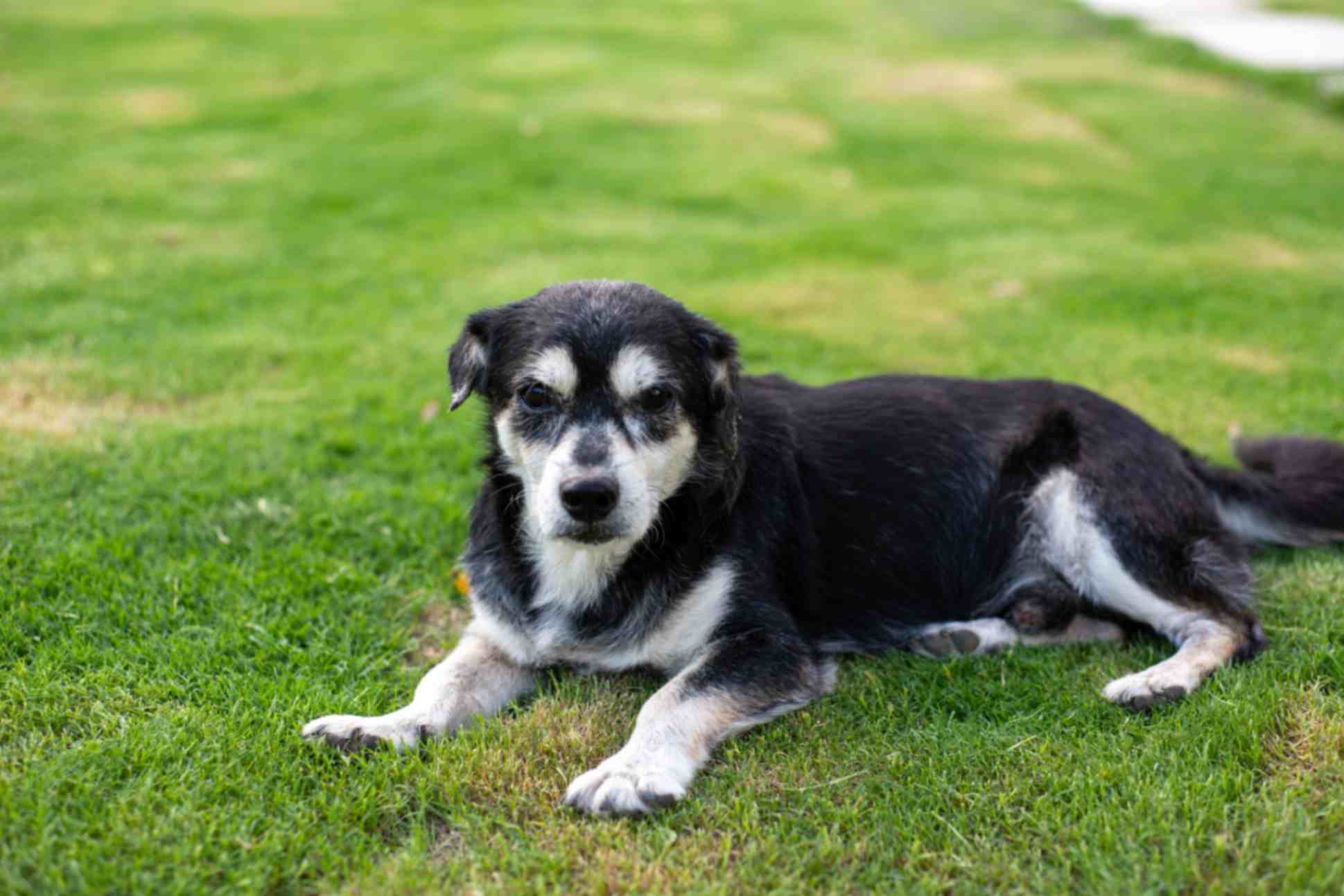
Disorientation: Pets may appear lost or confused in familiar settings. They might wander aimlessly, get stuck in corners, or go to the hinge side of the door when trying to go out. They may not respond to their name or familiar commands like they used to.
Interaction changes: You might notice altered social behaviour – a friendly dog becoming withdrawn, or sometimes the reverse. Some dogs with cognitive decline stop greeting family members or seem not to recognise people or other pets at times. Others may become more clingy or, conversely, irritable. New fears or anxiety can develop (e.g. suddenly afraid of going outside or jittery without an obvious cause).
Sleep-wake cycle changes: A classic sign of CCD is restlessness at night and excessive sleeping during the day. Pets might wake up in the small hours confused (possibly barking or whining), and then nap a lot when they should be active.
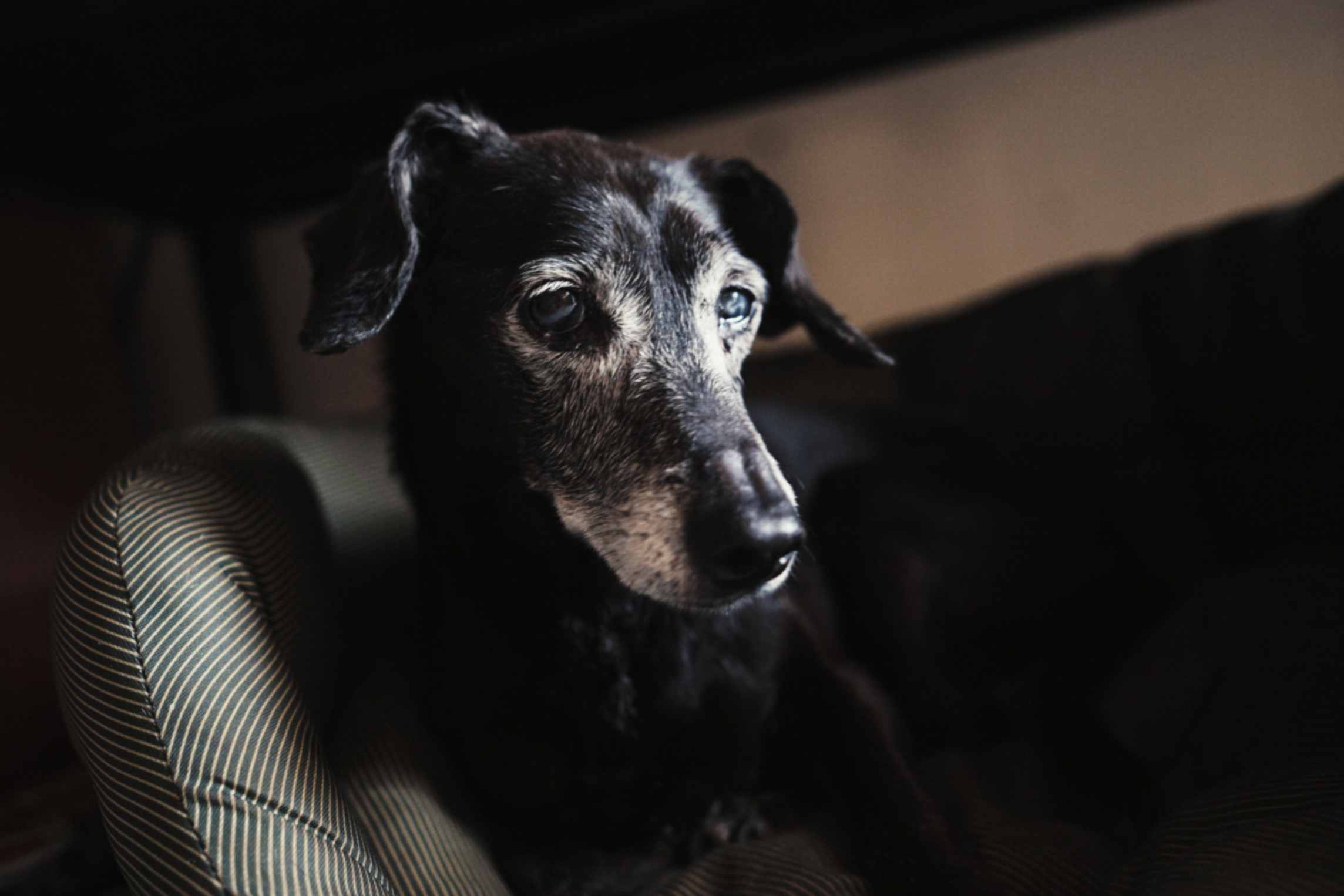
House-soiling: A previously house-trained dog might start having “accidents” indoors, seemingly forgetting their training. They may also stop signalling to go out, or go outside and then eliminate again indoors afterwards. This isn’t done out of spite – they genuinely may not remember or may get confused about where/when to toilet.
Activity and routine changes: Some dogs pace or wander more (almost like they’re uneasy), or you might see repetitive behaviours, like staring into space, or circling. On the flip side, they might lose interest in exploring or playing, acting withdrawn and lethargic (not due to physical fatigue, but cognitive). You might also notice they forget learned behaviours or tricks, appearing “absent-minded” – for example, not responding to a command they knew, or forgetting the route on a familiar walk.
It’s important to note that many of these signs can also be caused by medical issues (e.g. increased urination could be kidney disease, pacing could be pain). That’s why any significant new behaviour change warrants a check with us. Vets often diagnose CCD by ruling out other causes and assessing the pattern of signs. So, if you spot a combination of the above behaviours in your dog, bring it to our attention. The earlier we identify cognitive dysfunction, the more we can do to help.
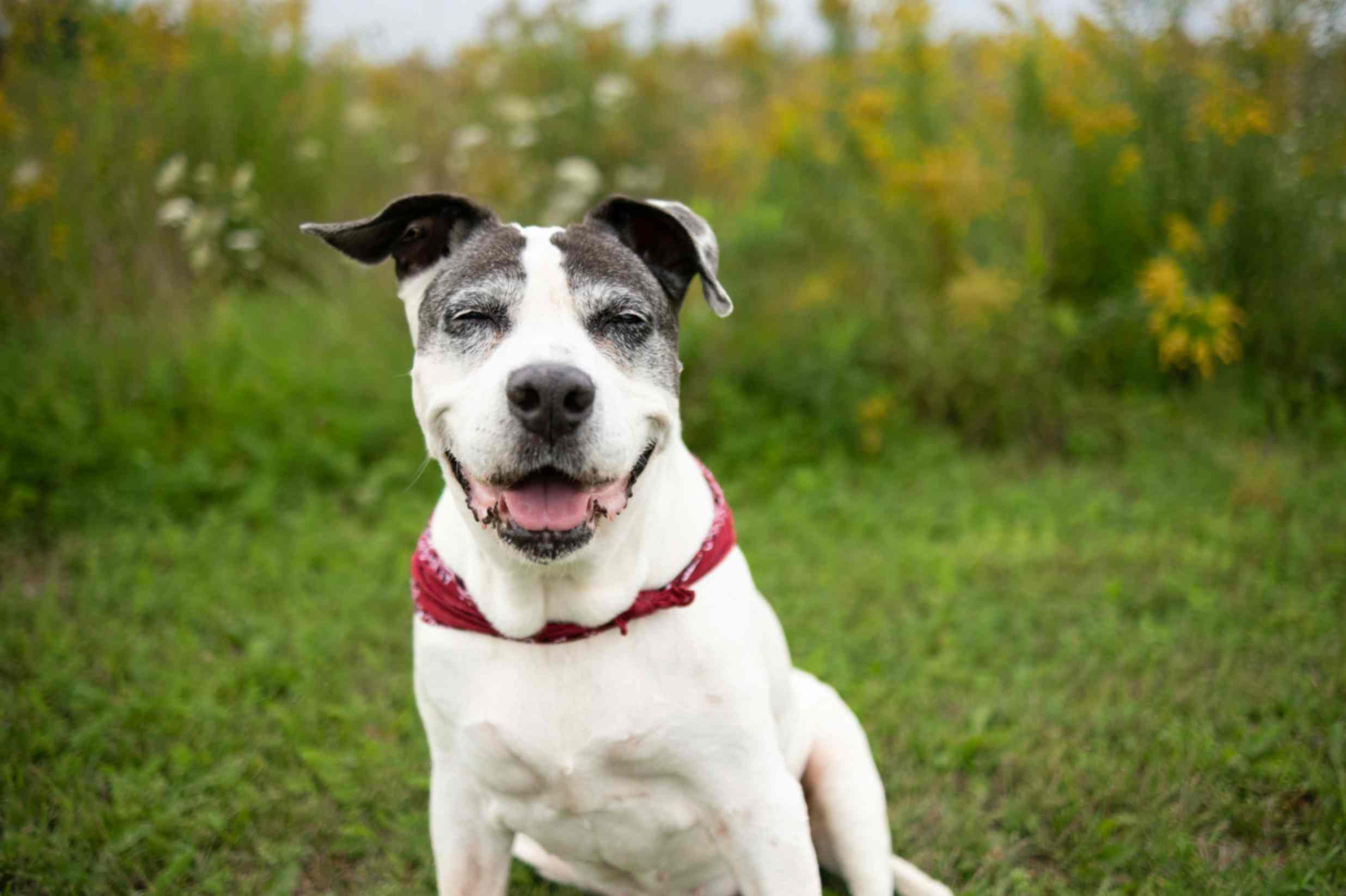
Helping a dog with CCD
While we can’t reverse dementia, we can manage it in several ways:
Diet and supplements: Special diets rich in antioxidants, omega-3 fatty acids, and certain vitamins (often labelled for “brain health” or senior diets) have been shown to help brain function. Supplements like omega-3 fish oils, medium-chain triglycerides (MCT oil), and antioxidants (vitamins C, E, SAMe) may also be beneficial – consult us for recommendations. There are even specific supplement blends for canine cognitive issues. Note: Always speak to us before adding supplements, to ensure they won’t interfere with other aspects of your dog’s health.
Enrichment and mental stimulation: Just as doing puzzles or learning new skills can help ageing human brains, keeping your dog’s mind engaged may slow cognitive decline (and is good for their happiness). Continue to play with your dog, practice simple obedience or new tricks (even if they’re basic), provide food puzzle toys or scent games – mental exercise can be very helpful. It’s important to strike a balance: give them opportunities to think and problem-solve, but avoid stress. Keep tasks fun and positive – use treats and praise, and if your dog seems confused or anxious, don’t push that activity.
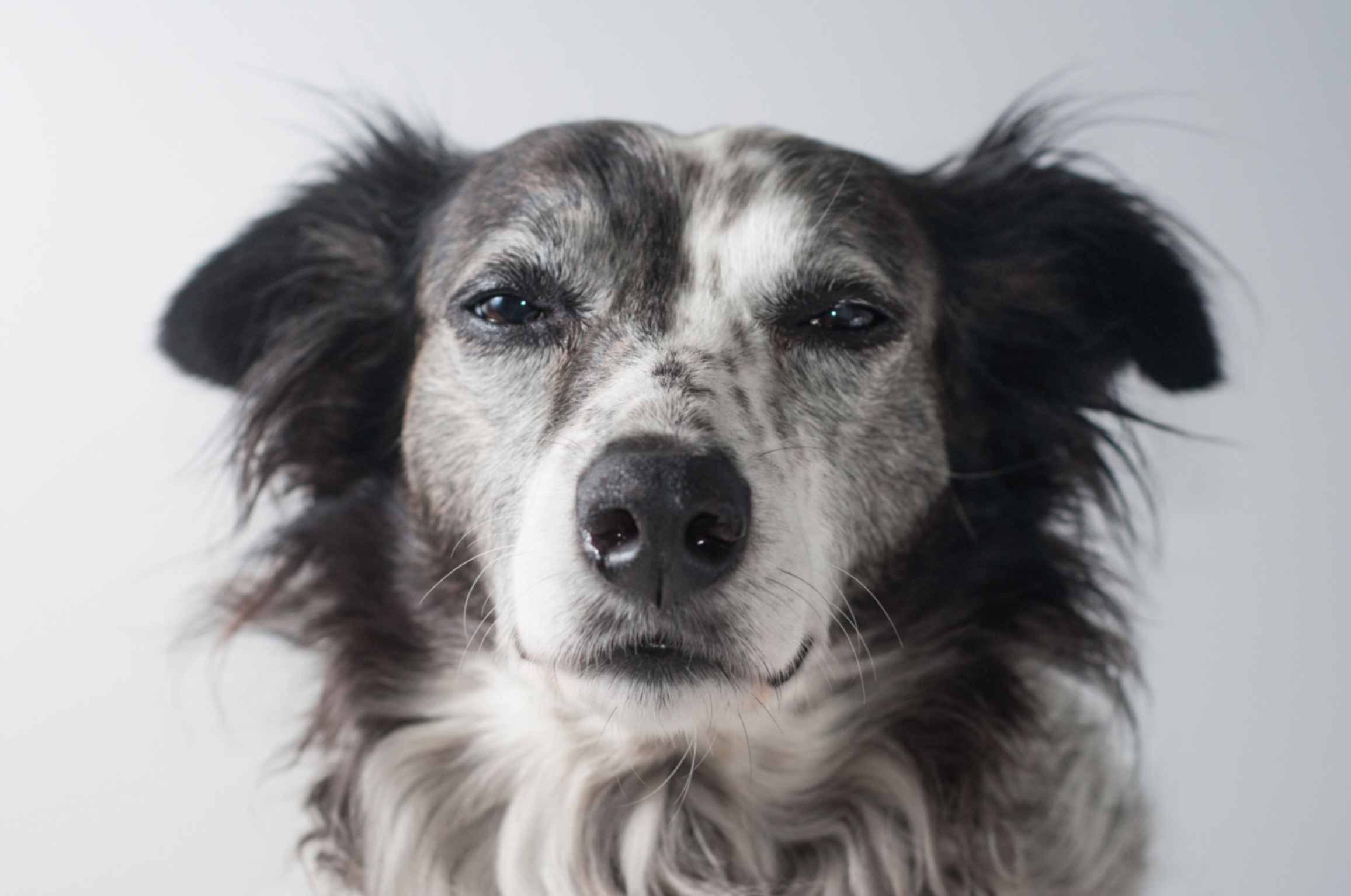
Medication: There are veterinary medications that can help improve cognitive function or at least slow the decline in some dogs. These might enhance blood flow to the brain or affect neurotransmitters to aid memory/alertness. If we diagnose CCD, we might suggest a trial of such medication. Many owners report seeing a bit more “spark” in their dog after starting treatment.
Routine and environment: Dogs with dementia thrive on a stable routine. Try to keep feeding, walks, and bedtime on a consistent schedule. A structured day helps reduce confusion. Keep furniture and household layout the same as much as possible – sudden changes can really throw off a disoriented dog. If you must rearrange or move homes, introduce changes gradually. Provide a safe, quiet area (a comfy bed in a corner or a crate left open) where your dog can retreat and relax if they’re feeling confused. Sometimes using night lights can help a dog who wakes at night, so they can navigate and feel oriented.
Anxiety relief: Many dogs with CCD develop anxiety or panic, especially at night. Products like Zenidog (a dog-appeasing pheromone diffuser or collar) may help create a calmer environment. Some owners use snug calming shirts or play gentle classical music or white noise at night to soothe a restless dog. In more severe cases, we might prescribe anti-anxiety medication, particularly if nighttime wakefulness is a big issue.
Involve a professional: If you notice behavioural changes you find challenging (e.g. anxiety or altered behaviours), ask us about a referral to a veterinary behaviourist or accredited trainer experienced with senior dogs. They can offer specialised strategies for managing and enriching an older dog with cognitive decline.
Support for you
Caring for a pet with cognitive dysfunction can be emotionally tough. It’s hard to see our buddies confused or not quite themselves. Patience and love go a long way. Some days will be better than others. Keep us in the loop – sometimes adjusting therapies can improve things, and we can also guide you on assessing quality of life).
Summary
Cognitive decline is a reality for some senior dogs, but with early recognition and supportive care, these dogs can still enjoy life.
key takeway
If your dog is showing signs of “doggy dementia,” don’t despair. Work with us on medical management and make simple changes at home to help your confused old friend feel safe, loved, and comfortable.
// more senior dog help //
Next in Senior dog Help
Follow our guides step by step to give your senior dog the best possible care.
Weight & Nutrition
in Senior Dogs
Enrichment & Mental Stimulation
for Senior Dogs