
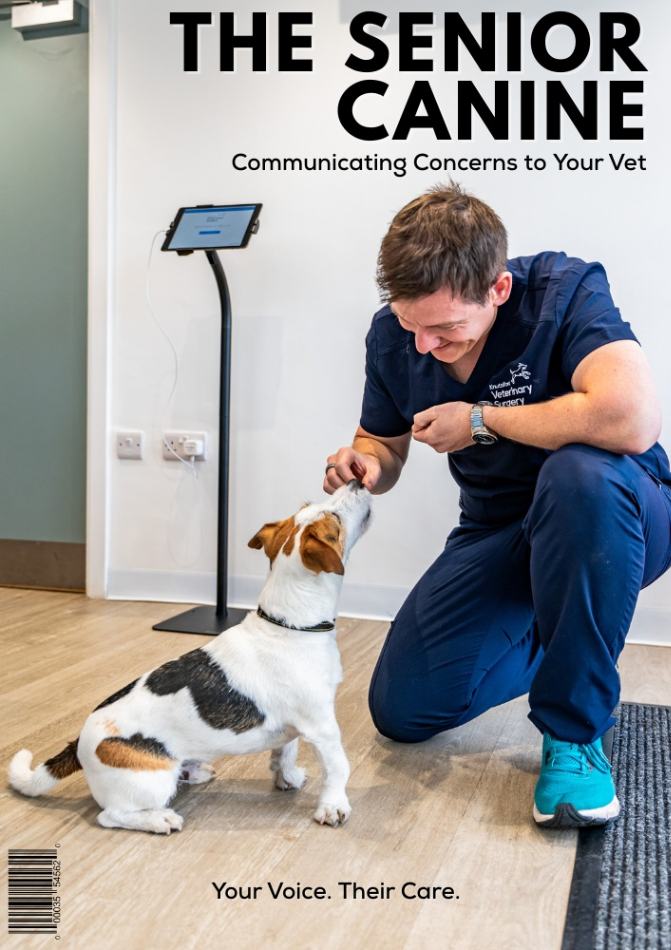
How to Communicate Concerns to Your Vet Effectively
We’re your partner in keeping your dog healthy. But sometimes it can feel challenging to convey everything you’re observing at home, or to remember all your questions during a short appointment.
In this post, we’ll give you some tips on being your dog’s best advocate – communicating with us so that your concerns are heard and addressed. Clear communication can lead to quicker problem-solving and better care for your dog.
We appreciate informed, involved owners, so never hesitate to speak up for them!
Prepare and prioritise
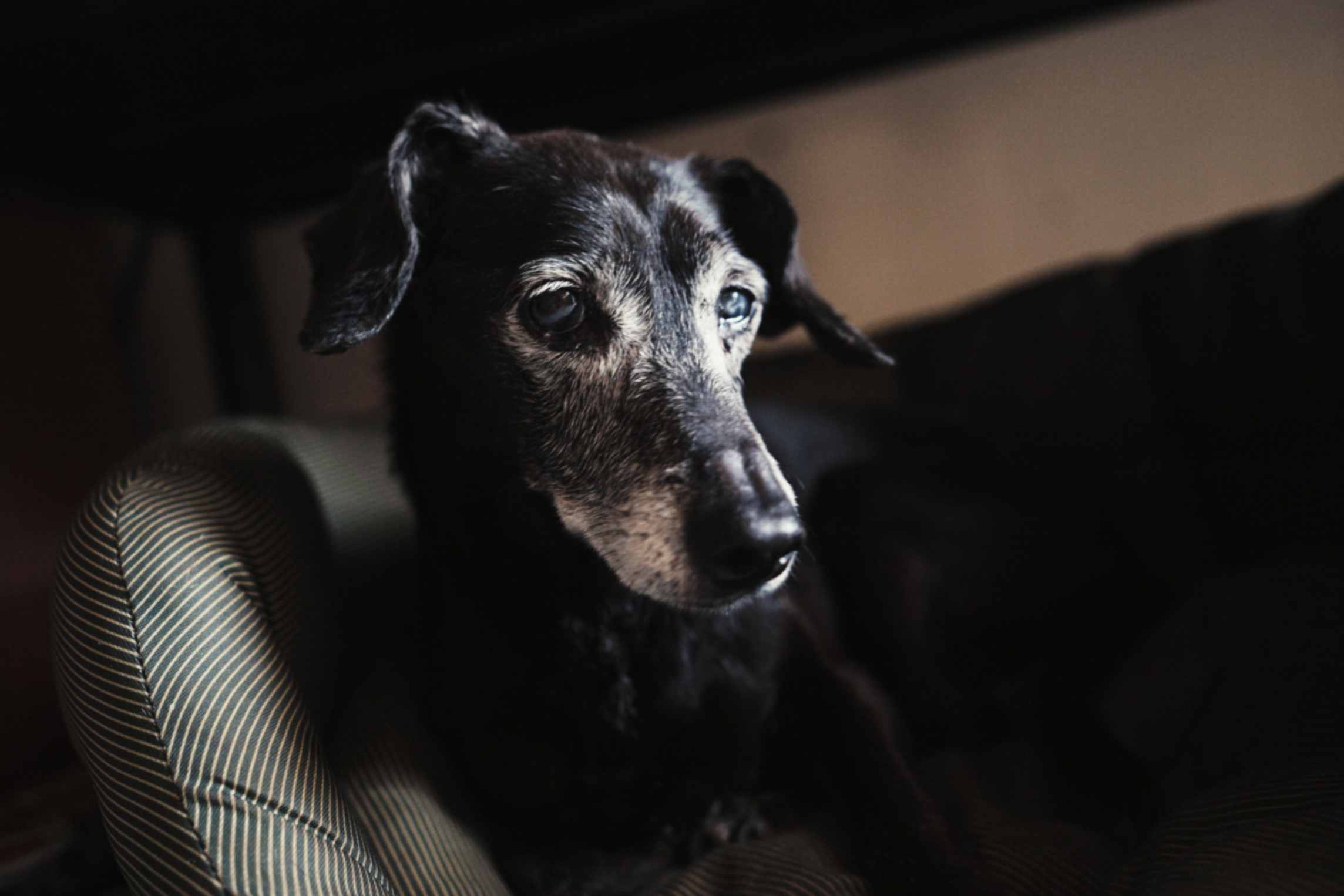
Senior dogs often have multiple issues going on (for example, maybe some arthritis, a bit of deafness, and a sensitive tummy all at once!). Before each appointment, make a list of the concerns or changes you’ve noticed. It helps to jot them down over the weeks leading up to the visit. Then prioritise the top few issues you absolutely want to discuss.
This ensures the most important things get addressed first in case time runs short.
For instance, your list might say:
new coughing at night
struggling more with stairs
appetite a bit off
Share this list with us at the start of the appointment. It provides a roadmap for the discussion and ensures nothing critical is missed. If you keep a daily log or have used a monitoring checklist (like the BSAVA ageing dog checklist) over the last 6 months, bring that data – it can highlight trends that a member of our team will find useful.

Be specific and use examples
Instead of saying “My dog seems a bit off,” try to describe how they’re off: e.g., “My dog now takes a minute to get up in the morning and sometimes whimpers when standing” or “They’ve been disinterested in their kibble three times this week, whereas before they’d finish every meal.”
The more concrete details you provide, the easier it is for us to grasp the situation. Frequency, duration, triggers – these details are gold.
If possible, take videos of concerning behaviours at home. For example, if your dog had a weird episode of disorientation or a coughing fit, a video on your phone can show us exactly what happened (dogs often won’t perform the symptom on cue at the clinic!).
We love when owners show videos – it’s objective information straight from the source.
Ask questions – and write down answers
During the appointment, don’t be shy about asking us to clarify medical terms or instructions. If we say, “Their kidney values are slightly elevated,” it’s fine to ask, “What does that mean in practical terms? Should I be doing something different at home?”
You can also ask about prognosis (“How do you expect this to progress?”) or warning signs (“What should I watch for that would indicate this is getting worse?”).
Bring a notebook or use your phone’s notes app to jot down key points or instructions. In the stress of the moment, it’s easy to forget 30–50% of what was said. Writing it ensures you have it straight. We can also provide written summary instructions – just ask.
Be honest and thorough
Sometimes owners hold back mentioning things because they’re embarrassed or think it’s not important. Remember, we’ve pretty much seen and heard it all – you won’t shock us. If your dog had an accident on your favourite rug or growled when you touched their hip, share it. These could be symptoms of a medical or behavioural issue that we can help with.
Also, be upfront about things like what diet, supplements, or over-the-counter remedies you’re giving. This helps avoid drug interactions and gives us a full picture. For example, if you started giving your dog a CBD product or a joint supplement, mention it – it could affect lab results or how a prescription is dosed. Everything you observe or give counts.
Use our Vet and Nurse teams as a resource
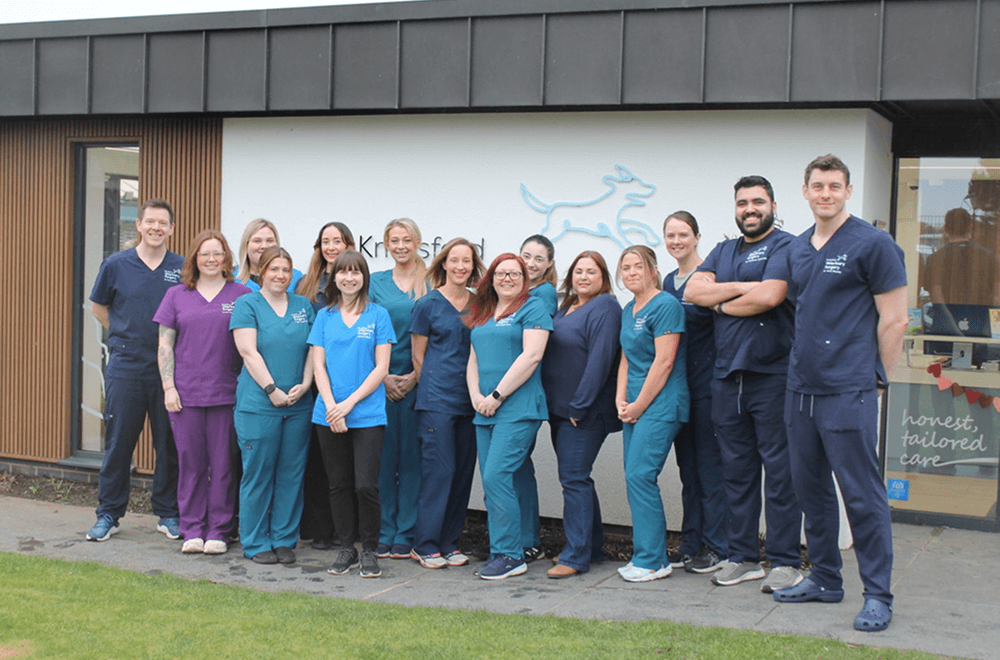
Communication doesn’t only happen with the vet. Veterinary nurses and reception staff are also part of your dog’s care team.
If you have a question after the appointment, you can call the clinic and leave a message for the vet or ask a nurse for clarification. We’re happy to provide follow-up advice by phone or email for ongoing cases. Don’t sit at home worried because you forgot to ask something – reach out.
Similarly, if you’re not sure whether a new development warrants a visit, call and ask. We can advise if it sounds urgent or if it can wait a few days. This can save you anxiety (and possibly an unnecessary trip).
For chronic conditions, we can even schedule phone consults or telemedicine check-ins. If getting your dog to the clinic is stressful, ask if this is an option for minor rechecks or updates.
Building a relationship
It helps greatly if you can consistently see the same vet (when possible) for your dog, so that person really gets to know their history and personality. If you feel your concerns weren’t heard or you didn’t understand something, don’t hesitate to seek clarification or even a second opinion from another vet in our team.
Most of the time, simply communicating openly will improve mutual understanding.
Phrases like “I’m concerned about X and would like to understand Y,” or “What I’m hearing is Z – is that correct?” can clear up miscommunications.
Remember, we’re on the same team
Sometimes appointments can be emotional, especially when dealing with a sick pet. If you ever feel overwhelmed, it’s okay to tell us, “This is a lot to take in.” We can pause, let you process, or perhaps provide written info to read later.
The goal for both you and us is the best care for your dog. We appreciate it when owners speak up because it makes our job easier – we can zero in on problems and know what matters most to you. And you’ll feel better leaving the appointment knowing you covered your questions.
Toolbox for effective communication
Checklist/diary: Use a checklist or diary to record things like appetite, mobility, mood changes, etc. There are even senior pet monitoring apps that can generate reports. This data is objective and very useful.
The “list of 3” rule: Try to convey the top 3 concerns per visit if there are many. You can always schedule a follow-up for less pressing issues.
Bring someone with you: If you’re very anxious or if the news might be bad, bring a spouse or friend who can help listen and remember information. Two sets of ears are better than one in emotional situations. They might also think of questions you didn’t.
Follow-up plan: Before leaving, make sure you know the next steps. E.g., “We’ll do these blood tests, and you’ll call me tomorrow with results, right?” or “Should I schedule a recheck in a month or will you phone me?” Having clear expectations prevents you from worrying at home about what happens next.
When communicating concerns between visits
Maybe you notice a new symptom or something worsening. How to let us know? If it’s urgent (difficulty breathing, severe pain signs, etc.), please ring as an emergency visit is warranted.
For non-urgent issues, you can call and leave a message. Provide concise info: “Hi, this is Rover’s owner. In the last week, my dog started doing X (for example, they yelped twice when climbing stairs). Can a member of your team advise if we should come in or try something at home?”
We will return your call with guidance.
Advocacy
You are your dog’s voice. If you feel something is wrong but tests are normal, communicate that you’re still concerned.
We rely on you for the day-to-day insight – if you’re persistent that something is off, we will take that seriously and look deeper or refer you to a specialist if needed.
Don’t worry about being perceived as “neurotic”; caring is not neurotic! You live with and love your dog – your observations are crucial.
Summary
Clear, open communication with us can dramatically improve your dog’s care.
Key takeaway
Be prepared, be honest, and ask questions – our team is there to help, and working together ensures your dog’s golden years are as healthy and comfortable as possible.
No concern is too small when it comes to your best friend’s well-being.
// more for senior dogs //
Next in Senior Dog Help
Follow our guides step by step to give your senior dog the best possible care.
Regular Health Checks
for Senior Dogs
Quality of Life
& End-of-Life for Senior Dogs