
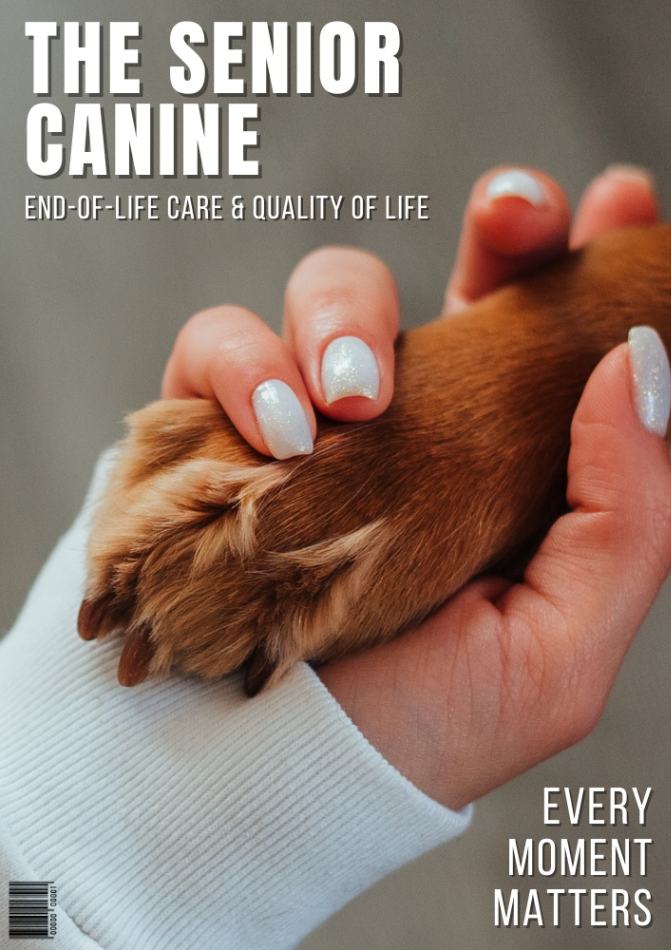
Considerations around End-of-Life Care and Quality of Life
This is perhaps the most difficult topic for any pet owner – contemplating our beloved dog’s final phase of life.
Our dogs give us so many wonderful years, and part of loving them is making sure their end-of-life stage is as comfortable and dignified as possible.
In this post, we’ll discuss how to evaluate your dog’s quality of life, what end-of-life or palliative care might involve, and how to make those heart-wrenching decisions when the time comes.
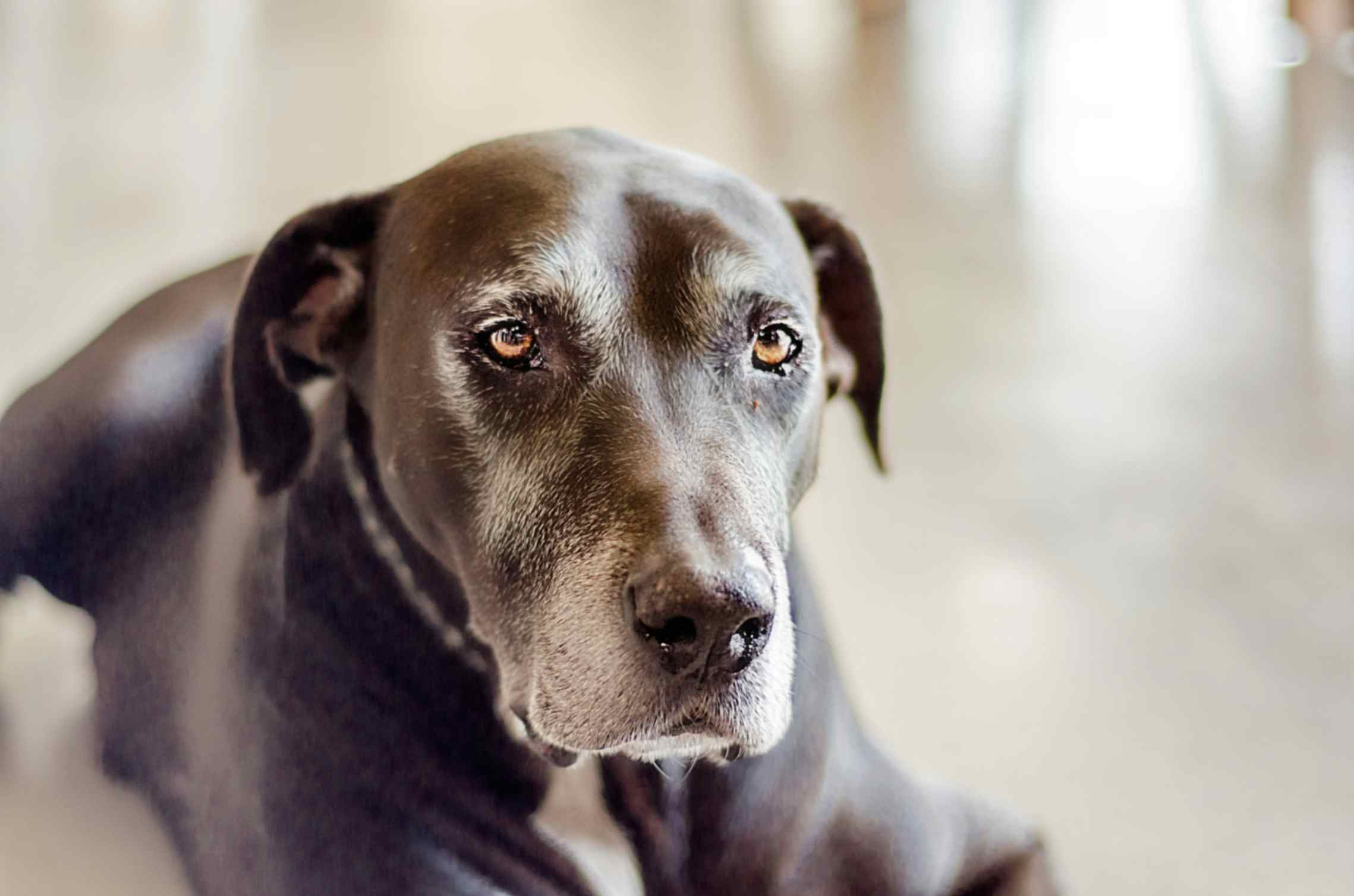
Quality of Life (QoL)
The term “quality of life” essentially means how much your dog is enjoying life and able to do the things that make them a dog – eating, moving around, interacting, and not experiencing excessive pain or distress. It’s not measured by one single thing, but by an overall assessment of physical and mental well-being. As owners, we sometimes adapt to our pet’s gradual decline and might not notice how much has changed.
It can help to regularly and honestly ask yourself questions like: Are they having more good days or bad days? Do they still show interest in their favourite activities (like walks, toys, eating treats or greeting the postman)? Are they eating and drinking enough? Are their pain levels controlled? Can they move around enough to satisfy their needs (get to the water bowl, go outside to the toilet)? Do they still engage with family or spend most of the time withdrawn?
There are formal “quality of life scales” with scoring that we can provide – these can guide you in quantifying things. If you find the bad days are outnumbering the good, it may be time to have a frank discussion with us and family about your dog’s comfort and dignity.
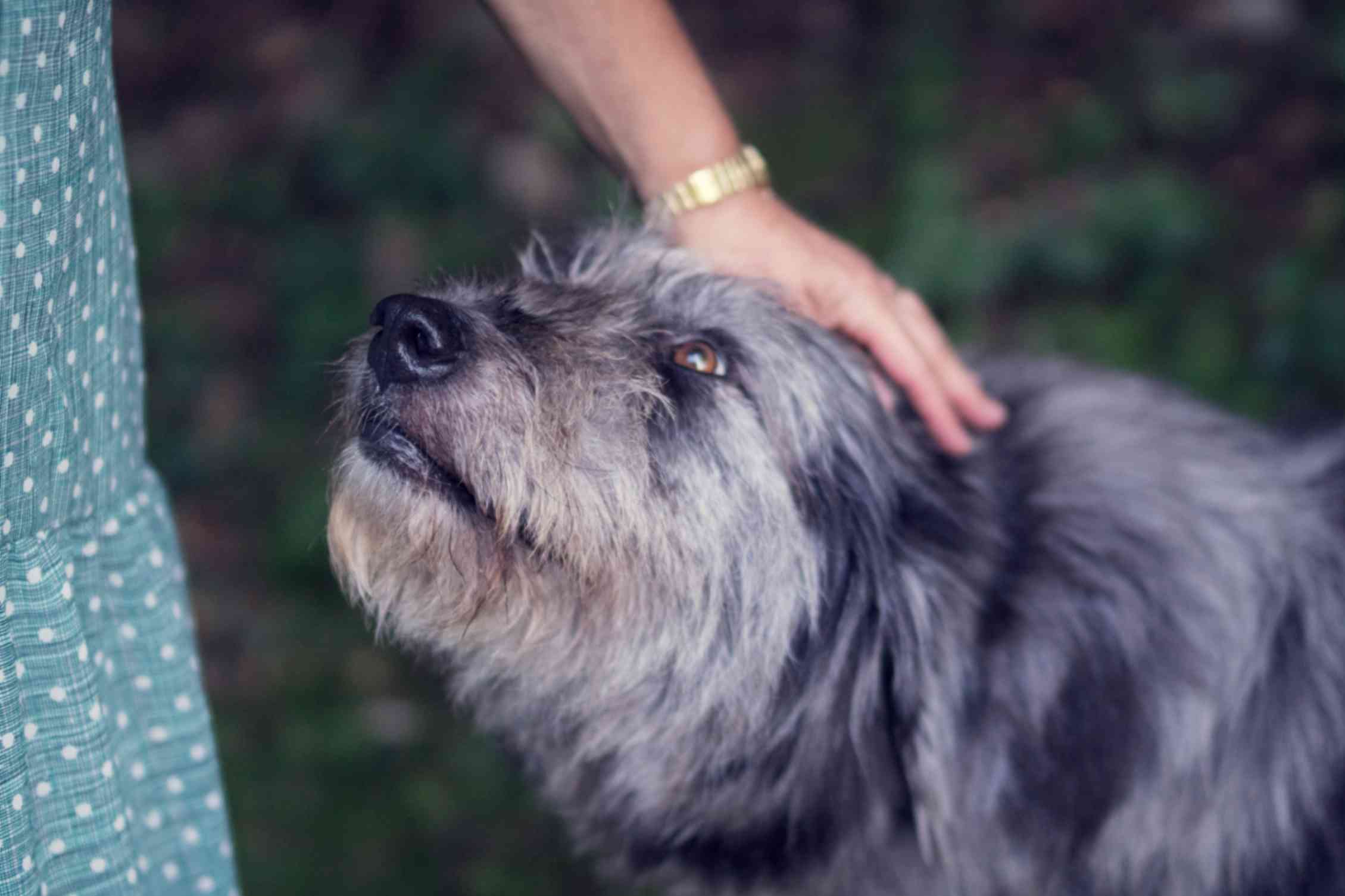
Palliative and hospice care
If your dog has a terminal condition or is simply very old and frail, you may enter a phase of palliative care, which means focusing on comfort rather than cure.
This can include things like: adequate pain management (e.g. strong pain medication for arthritis or cancer pain), medications to reduce symptoms (like anti-nausea drugs, appetite stimulants, etc.), assistive devices (e.g. harnesses, pads for incontinence), and lots of nursing care (helping them up, keeping them clean if they have accidents, adjusting their position to prevent sores, etc.). Essentially, the goal is to keep your dog comfortable and feeling loved even as their health declines.
You might find yourself cooking special meals to entice them to eat, or scheduling your day around medication times and potty breaks – it can be demanding, so don’t hesitate to reach out for help. There are support groups (and Our vet and nurse teams) that can assist owners caring for a pet in hospice.

When is it “time”?
This is the hardest question. In an ideal world, a pet would pass peacefully in their sleep, but that often is not the case. Euthanasia (putting a pet to sleep) is a compassionate option we have to prevent suffering. Deciding when to euthanise is deeply personal, but also one of the kindest final gifts you can give – freedom from pain and distress when their body can no longer support a good life.
Some guidelines: many veterinarians suggest that if a pet is no longer enjoying life, not eating, not interested in anything, unable to get up, and we can’t keep them comfortable even with medication, then it may be time. Those QoL questions you ask yourself regularly will guide you. One common measure is the “good days vs bad days” journal: if bad days (where your dog is suffering, in pain, very anxious/confused, or feeling ill) outnumber the good days, consider easing their passage. Another is to identify three to five things that really make your dog happy (like eating a favourite food, greeting you, a short walk, belly rubs). When they no longer take pleasure in at least half of those things, their QoL might be poor.
Always talk with us – we can give an honest, medical perspective on your dog’s condition and prognosis. Sometimes owners worry they are “giving up too soon,” but keep in mind: allowing a pet to pass peacefully is often a final act of love and kindness. We prevent them from enduring days or weeks of suffering just to postpone our own grief.
If you’re agonising over the decision, know that almost every pet parent goes through this; it’s normal to feel doubt or guilt. But also know that veterinarians overwhelmingly agree that “better a week too early than a day too late” is a wise approach – it’s better to let them go with dignity than to wait for a crisis or extreme suffering.

Euthanasia – what to expect
Though it’s a sad topic, understanding the process can alleviate fear. Euthanasia is typically a very peaceful procedure.
We commonly give a sedative first to reduce stress. A small patch of hair on the leg is clipped, and then an intravenous cannula is placed and taped in place. Finally, once everyone is ready, the vet will usually give an injection – often a very strong anaesthetic – that quickly makes the pet unconscious and then stops the heart gently. It is painless; from your dog’s perspective, they just feel like they’re falling into a deep sleep. You’ll be asked if you want to be present – that’s a personal choice. Being there can be comforting to your dog (they feel your presence and hear your voice), but if you’re too upset, that’s okay; our vets and vet nurses will compassionately be with them. You can often choose the setting – at the clinic or at home.
Home euthanasia services are available if you prefer your dog to pass in their familiar environment. Discuss arrangements with us ahead of time: what to do with the remains (home burial, cremation, etc.), so that in the moment, you can focus on your dog and not logistics. It’s absolutely normal to cry (most of our team will be tearing up too – we love your pets, and we empathise with you).
Plan ahead
It might sound morbid, but planning for the end can actually be a relief when that time comes.
If your dog is approaching their twilight, have a family conversation: what signs would signal to us that it’s time? Do we want to do it at home?
Knowing the answers can prevent an emergency decision in the middle of the night when everyone is distressed. Some owners even have a “bucket list” for their senior dog – maybe a last visit to the beach, a favourite meal (steak dinner!) on their last day, or inviting close friends over to say goodbye.
These gestures can be very meaningful as you celebrate your pet’s life.
Emotional support
Anticipatory grief (grieving before a pet is gone) is real and natural. Don’t hesitate to seek support – talk to understanding friends or family, or utilise pet bereavement support services. In the UK, the Blue Cross and other organisations have pet loss support lines. We also have online resources and trained team members for coping with loss. It helps to know you’re not alone; many of us have gone through it and understand the pain.
Aftercare
After your dog’s passing, be kind to yourself. Grief may hit you harder than expected – that’s okay. Everyone heals in their own time. Some find comfort in creating a tribute (a photo album, planting a flower in their memory, etc.).
Keep in mind that your other pets (if any) may grieve too or act confused by their absence; give them lots of reassurance.
A note on the good times
This article is heavy, but it’s born out of love. Focus on giving your dog the best day today.
Senior dogs may have limitations, but they live in the moment and cherish the simple joys – a sunny spot to snooze, your gentle touch, a tasty treat.
By concentrating on quality of life, you’ve already shown what a devoted owner you are.
Summary
Planning for end-of-life care is one of the hardest parts of pet ownership, yet it’s crucial to ensure our companions do not suffer at the end.
// support for senior pets //
Senior Pet Help
Our guides give step by step help to provide your senior dog the best possible care.
Regular Health Checks
for Senior Dogs
Senior Pet Hub
The home of senior pet advice and information