
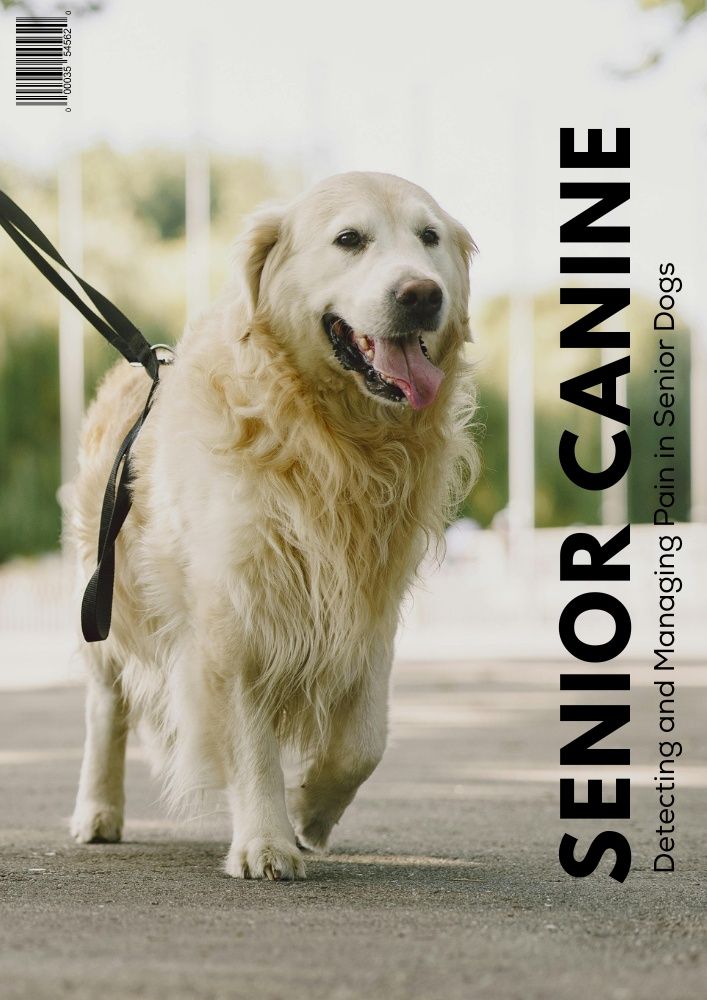
Detecting and Managing Pain in Senior Dogs
Dogs are famously stoic, they often hide pain because, in the wild, showing weakness isn’t a good thing.
Your dog can be the same, especially as they age. They can’t tell us when something hurts, so it’s up to us to recognise the signs of pain and get them relief.
In older dogs, chronic pain (for example, from arthritis or dental issues) is common, but it can be managed.
Signs of Pain
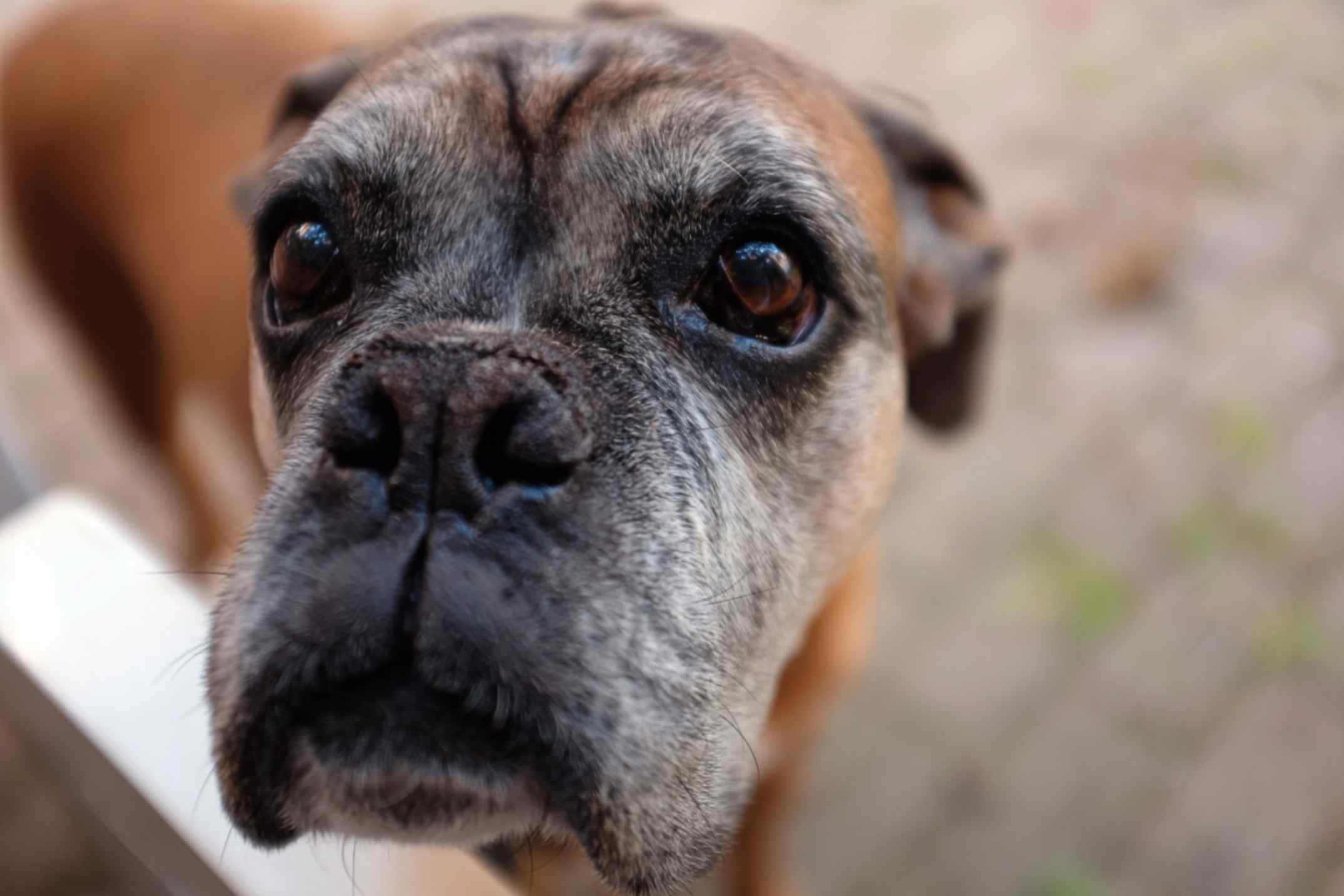
The signs of pain in a dog can be subtle. You know your dog best, so watch for any changes in their normal behaviour. Some cues to look out for:
Mobility changes: Difficulty getting up from lying down, moving stiffly, lagging behind on walks, or suddenly disliking stairs or jumping can all indicate pain (often joint pain). A dog that limps or frequently shifts position might be hurting.
Behavioural changes: A senior dog in pain might become less social, preferring to be left alone, or the opposite – becoming clingy and seeking comfort. They might pant or whine at odd times (even when not hot or anxious) or lick one area of their body persistently (as if trying to soothe it). Some dogs show irritability or grouchiness when in pain – for example, growling when a sore spot is touched, or just being less tolerant than usual.
Posture and facial expression: You might notice your dog holding themselves differently – perhaps a hunched back, tucked tail, or a “praying” position (front legs down, rear in the air), which can indicate abdominal pain. Flattened ears, tight-looking areas around the eyes or mouth, and an unfocused gaze can also be subtle signs of discomfort.
Many of these changes happen gradually, and it’s easy to attribute them to “old age.” In fact, research shows chronic pain in dogs often goes unrecognised because owners aren’t aware of what to look for. If you’re unsure whether your dog could be in pain, err on the side of caution and consult us.
What you can do
The good news is that you can manage pain and greatly improve their quality of life. We can help pinpoint the source of pain (such as arthritis, a bad tooth, etc.) and recommend a mix of approaches:
Medications:
Modern pain relief for pets includes anti-inflammatory drugs, painkillers, and other medications that keep pain under control. Many senior dogs are much perkier and more mobile once they’re on the right medication regimen – it can be truly life-changing. Don’t be afraid of the idea of “daily meds” if we suggest them; controlling pain can add happy years to your dog’s life.
Supplements and therapies:
For chronic issues like arthritis, we often recommend joint supplements (like omega-3 fatty acids) or diets fortified for joint health. Additionally, therapies such as physiotherapy, hydrotherapy (swimming exercise), or acupuncture can be wonderful for older dogs. These help maintain muscle and flexibility with low impact on joints.
Weight management:
Keeping your dog at a healthy weight is hugely important in pain management. Extra weight puts strain on joints and can worsen arthritis pain. If your senior pup is overweight, support through our nurse-led weight clinics can significantly reduce pain and improve mobility – sometimes even more than medication alone.
Comfort at home:
Small changes can reduce pain triggers. Provide non-slip rugs on slippery floors to prevent painful slips. Alternatively, you can buy small anti-slip stickers to apply to your dog’s foot pads. Use a ramp for the car or furniture to avoid jarring jumps. Ensure they have a well-padded, warm bed to cushion sore joints. In cold/damp weather, a coat or keeping them indoors more can help if they have arthritis (joints often ache more in winter).
We will schedule check-ins to adjust pain control as a senior pet’s needs change. Never give over-the-counter human pain medications to pets without speaking to us first, as many (like ibuprofen) are toxic to pets. And don’t lose heart: dogs that seemed “old and slow” often act years younger once their pain is properly addressed. Seeing a senior dog get a new spring in their step because they feel better is incredibly rewarding!
Summary
Pain in older dogs is common, but it should never be ignored. With vigilance and good veterinary care, you can detect and relieve pain, ensuring your dog stays as comfortable as possible in their later years.
Key takeaway
Listen to your dog’s subtle signals – if something hurts, they will show you in their own way, and trust that there are many options to help them feel better. A pain-free dog is a happier dog!
// more senior dog help //
Next in Senior Dog Help
Follow our guides step by step to give your senior dog the best possible care.
Common Health Issues
in Senior Dogs
Dental Health
in Senior Dogs