
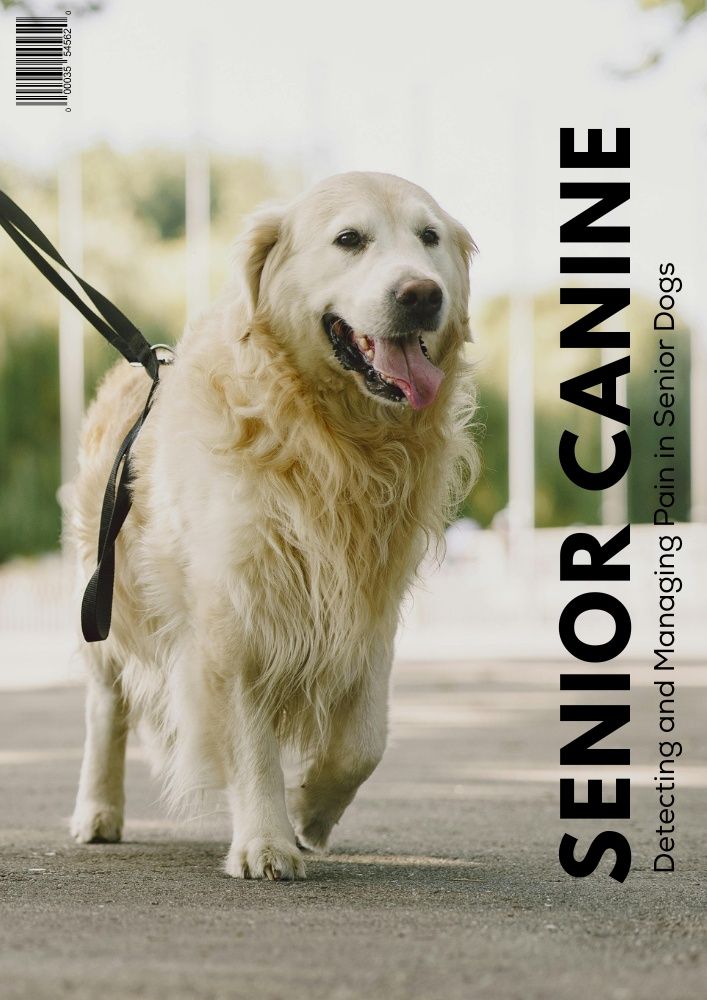
Commons Health Issues in Older Dogs
Just like people, dogs become more prone to certain health issues as they age.
Being aware of the common ailments in senior dogs means you can watch for early warning signs and get them the care they need promptly.
In this post, we’ll cover a few of the frequent health problems seen in older dogs.
Arthritis and Joint Problems
Arthritis (degenerative joint disease) is extremely common in senior dogs – in fact, it’s often just considered part of getting older for many pups. You might notice your dog is stiff after resting, limping, or reluctant to do things they used to (like jumping into the car or climbing stairs).
Don’t ignore these signs – arthritis pain can be significant, but there are lots of ways to help. Treatments from us (like anti-inflammatory medications, joint supplements, or rehabilitation therapies) can effectively control pain and improve mobility. Simple changes at home soft bedding, ramps also make a big difference.
The bottom line: if your dog is getting creaky, talk to us.
Heart Disease
Certain breeds (for example, Cavalier King Charles Spaniels) are especially prone to age-related heart valve disease, and large breeds may develop heart muscle conditions. Be alert to symptoms like coughing (especially at night or after exercise), exercise intolerance, breathlessness, or a swollen belly, as these can be signs of heart disease or heart failure. If caught early, many heart conditions can be managed with daily medication and lifestyle adjustments.
During a clinical examination, we listen for murmurs and may recommend tests like a heart scan or x-ray for a senior dog. With proper treatment, dogs with heart disease often continue to enjoy life for years, so early attention is key.
Kidney Disease
Chronic kidney disease can creep up slowly, so watch for increased thirst and more frequent urination (damaged kidneys can’t concentrate urine well, so dogs drink and wee more). Other signs might be loss of appetite, weight loss, or vomiting. If you spot these, let us know so we can run a simple blood and urine test.
While kidney disease can’t usually be reversed, catching it early means you can manage it – special kidney-friendly diets and medications can slow the progression and keep pets feeling as well as possible for longer. Many dogs with kidney issues do well for a long time with the right support.
Other common issues
Senior dogs often develop dental disease, and you might find lumps or bumps on an older dog. Many lumps (like fatty lipomas or warts) are benign, but it’s wise to have any new bump checked by us to be safe.
Endocrine disorders like hypothyroidism (low thyroid) or Cushing’s disease (overactive adrenal glands) tend to appear in middle-aged and older dogs, leading to symptoms like sluggishness, coat changes, or increased hunger/thirst.
Reduced hearing or vision is also common, you may notice your dog not hearing you come home or developing a cloudy appearance in their eyes (possible cataracts). Most dogs adapt well to gradual sight or hearing loss (their noses work great!), but they’ll rely on you to help keep their environment safe and predictable.
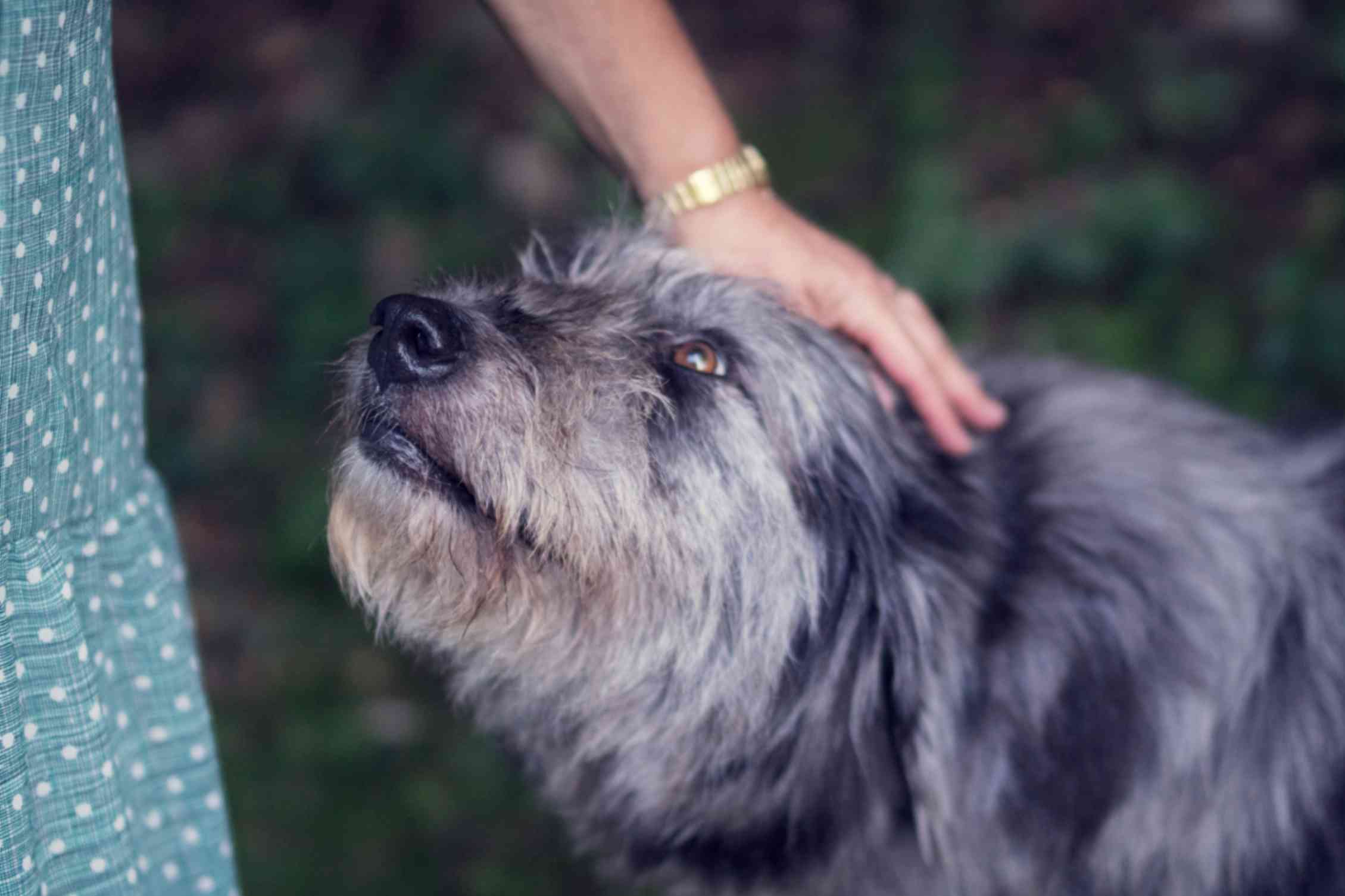
Practical tips
Modifying your home environment can significantly improve your cat’s comfort:
Know the signs: Familiarise yourself with the basics of senior dog health problems. Resources like the PDSA Pet Health Hub have helpful guides – for example, on arthritis or heart disease – so you know what to look out for.
Early action: If you suspect a problem (stiff joints, a new cough, increased drinking, etc.), don’t “wait and see.” Many conditions, from arthritis to kidney trouble, are easier to manage when caught early.
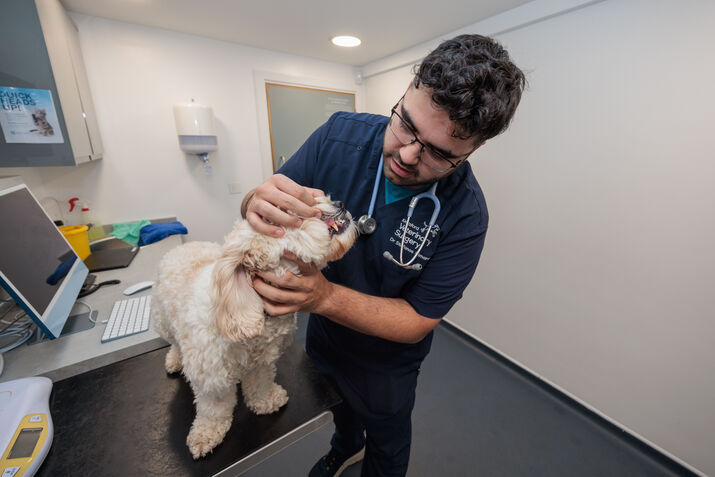
Regular screening: Consider routine senior screenings with us. Yearly (or twice-yearly) blood tests and exams can catch hidden issues (like early kidney changes or high blood pressure) before they become serious. Our GoldPlan Plus includes a detailed “senior wellness” profile to establish baseline values for your dog.
Work with Knutsford Vets: For any diagnosed condition, follow our treatment plan and ask questions. Managing chronic conditions is a team effort between you and our veterinary team – adjustments to medications or diet over time can keep your dog stable and comfortable. And remember, even if your dog has a health issue, plenty of dogs with arthritis, heart murmurs, or other problems live happy lives with proper care!
Summary
Senior dogs may face a few more medical challenges, but knowing what to watch for means you can get ahead of them. Many age-related issues are very treatable.
// more senior dog help //
Next in Senior dog Help
Follow our guides step by step to give your senior dog the best possible care.
Signs of Ageing
in Senior Dogs
Detect & Manage Pain
in Senior Dogs