
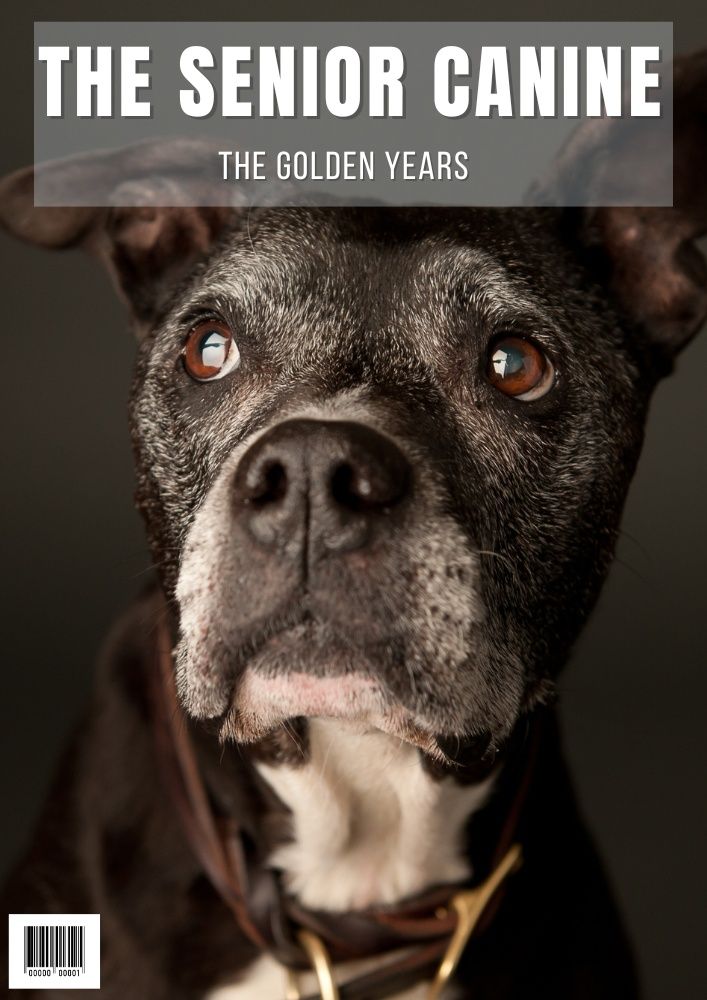
Recognising signs of Ageing
As our beloved dogs enter their golden years, it’s natural to notice subtle changes in their appearance and behaviour.
Recognising what’s normal ageing and what might be a sign of something more is key to keeping your dog happy and healthy.
Dogs are generally considered “senior” by around 7 years of age (earlier for large breeds, later for small breeds).
What’s normal vs. cause for concern
It can be tricky to tell the difference between ordinary ageing and signs of illness. For example, slight stiffness in the morning or some hearing loss can happen with age, but significant changes like persistent limpness, confusion, or drastic weight loss are not just “old age.”
Keep an eye out for physical signs (like cloudy eyes, which could indicate cataracts) and behavioural changes (such as increased irritability or disorientation). If you notice your dog seeming painful, unusually withdrawn, or just “not themselves,” it’s worth checking with a member of our team.
Practical tips
Schedule regular check-ups: Don’t skip visits with us just because Rover seems “fine for their age.” In fact, twice-yearly veterinary check-ups are recommended for an ageing dog. These allow us to track changes and catch any emerging issues early.
Monitor at home: Keep a simple diary or checklist of Rover’s habits. Note their eating, drinking, mobility, and mood every few months. This can help you spot gradual changes. BSAVA’s Ageing Canine Checklist is one useful tool, developed from research to guide owners on what to watch for and when to seek veterinary advice.
When in doubt, ask: No one knows your dog like you do. If something feels “off” – even if it seems minor – reach out to us. It’s always better to have a concern put to rest than to miss a potential problem. Remember, we are here to help you distinguish normal ageing from treatable issues.
Key takeaway
Pay attention to new changes, and never hesitate to ask us if you’re unsure – it can make all the difference in early detection and peace of mind.
Summary
Growing older comes with changes, but you don’t have to navigate them alone.
By staying observant and partnering with us, you can ensure your dog’s golden years are full of comfort and joy.
// more senior dog help //
Next in Senior Dog Help
Follow our guides step by step to give your senior dog the best possible care.
Common Health Issues
in Senior Dogs
Detect & Manage Pain
in Senior Dogs